
If you’ve started learning ethical hacking or penetration testing, you’ve probably heard the phrase:
“Enumeration is the key to successful hacking.”
But what exactly does that mean?
Many beginners believe that ethical hacking is all about exploiting vulnerabilities. In reality, experienced security professionals spend much more time gathering information than launching attacks. One of the most important phases of this information gathering process is enumeration.
Enumeration helps security professionals discover valuable details about systems, users, services and network resources. The more you understand about a target environment, the better prepared you are to assess its security.
In this beginner-friendly guide, you’ll learn:
- What enumeration is
- Why it’s important
- Common types of enumeration
- What information can be discovered
- Beginner-friendly enumeration techniques
- Safe ways to practice
New to Ethical Hacking?
Start your journey with The Beginner Ethical Hacker Starter Kit (2026 Edition).
Inside the free guide, you’ll learn:.
- Ethical hacking fundamentals
- Beginner cybersecurity roadmap
- Essential hacking tools
- Common vulnerabilities explained

What is Enumeration?
Enumeration is the process of actively gathering detailed information from a target system, network or application. Unlike basic reconnaissance, which collects publicly available information, enumeration involves interacting with a system to obtain additional technical details.
The goal is to identify information such as:
- User accounts
- Network shares
- Running services
- Hostnames
- Operating systems
- Domain information
- Available resources
In simple terms:
Enumeration is the process of asking systems questions and analyzing the information they reveal.
Why is Enumeration Important?
Enumeration is one of the most valuable stages of a security assessment. It helps security professionals understand:
- What systems exist
- What services are running
- Who the users are
- What resources are available
- How the environment is structured
Without enumeration, security testing becomes guesswork.

Reconnaissance vs Enumeration
Many beginners confuse these two concepts. Although they are closely related, they are entirely different.
Reconnaissance:
Reconnaissance focuses on collecting publicly available information.
Examples include:
- Domain names
- Public websites
- DNS records
- Search engine results
Little or no direct interaction occurs.
Enumeration:
Enumeration goes further. It actively interacts with systems to gather more detailed technical information.
Examples include:
- Service information
- Usernames
- Shares
- Host information
- Running applications
Think of reconnaissance as looking at a house from the street. Enumeration is like examining each door and window to understand what’s inside, only in authorized environments.
Why Ethical Hackers Perform Enumeration
Ethical hackers use enumeration because it helps answer important questions.
For example:
- What services are available?
- Which systems are active?
- What operating systems are being used?
- What users exist?
- What resources are accessible?
The answers help build a complete picture of the environment.
Common Types of Enumeration
Enumeration can focus on different areas depending on the assessment.

1. Network Enumeration:
Network enumeration gathers information about connected systems.
Examples include:
- Active hosts
- IP addresses
- Hostnames
- Network devices
This helps create a network inventory.

2. Service Enumeration:
Many devices run multiple network services. Enumeration helps identify:
- Web services
- Email services
- File-sharing services
- Remote management services
Understanding services helps security professionals understand system roles.

3. User Enumeration:
Some services may reveal user account information.
Examples include:
- Usernames
- Account names
- Authentication information
Understanding user accounts can help administrators identify unnecessary exposure.
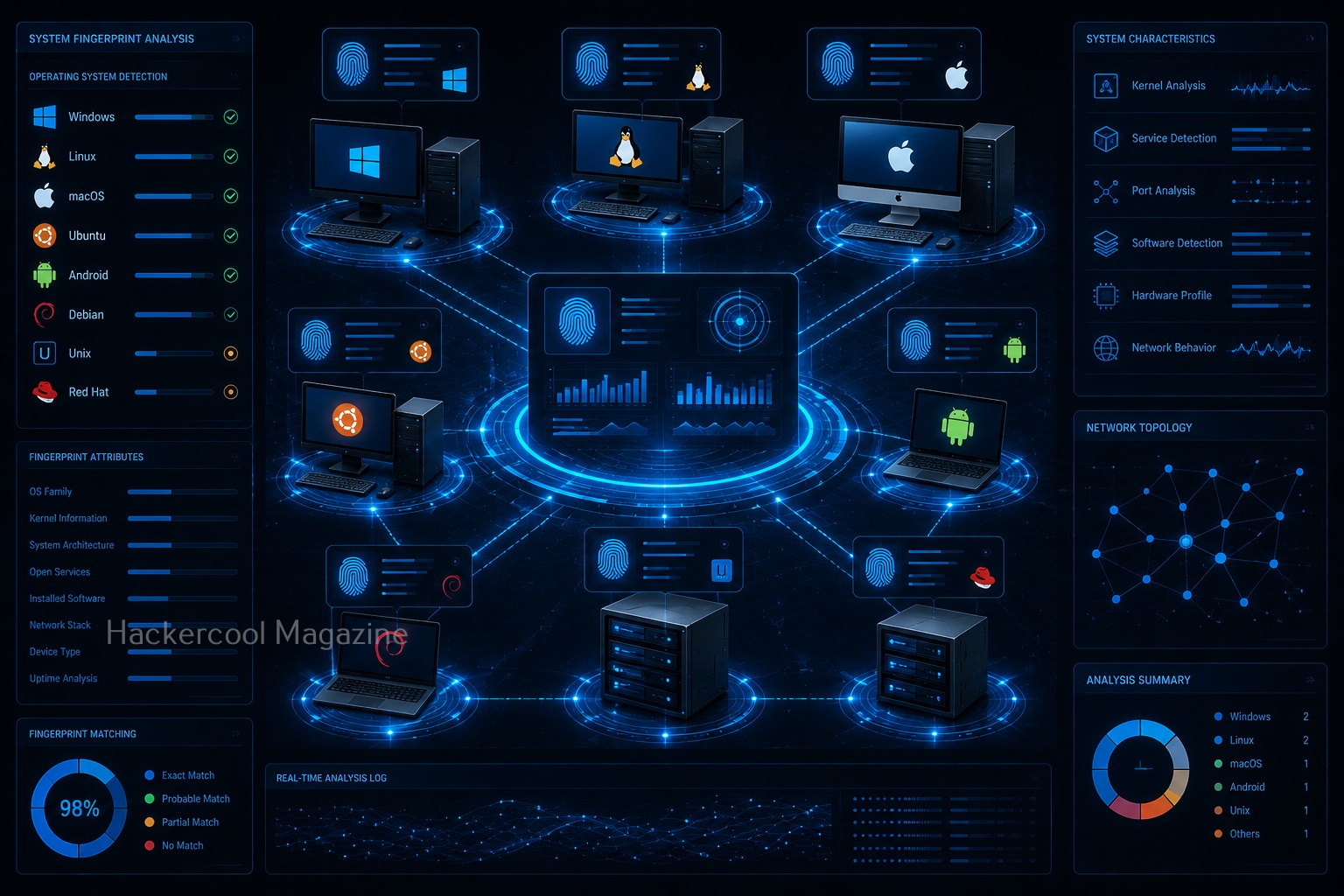
4. Operating System Enumeration:
Security professionals often try to determine:
- Windows systems
- Linux systems
- Network appliances
- Other operating systems
This provides valuable context for analysis.

5. Share Enumeration:
Organizations often use shared folders and resources.
Enumeration may identify:
- Shared directories
- Shared printers
- Accessible network resources
This helps understand how information is organized.
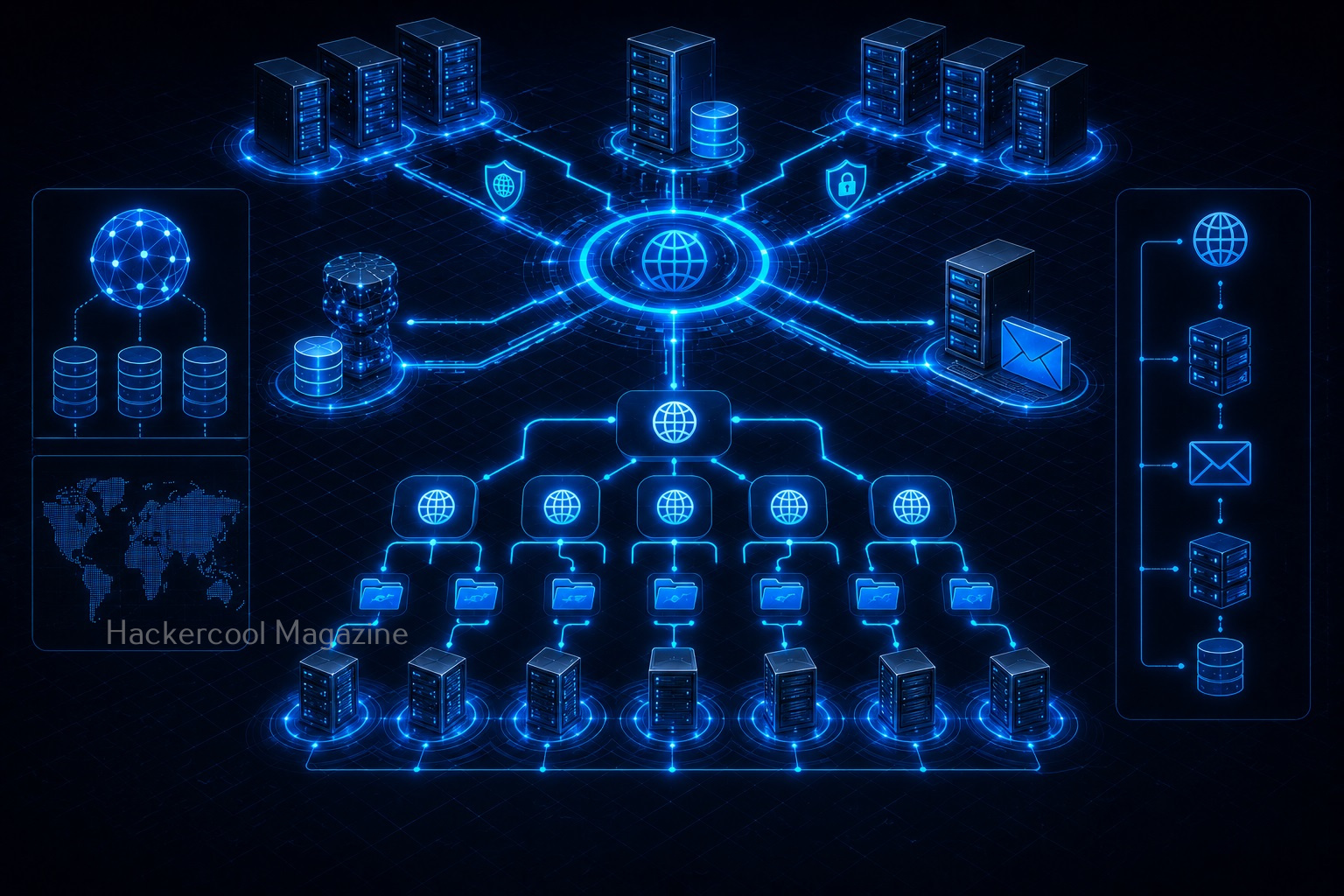
6. DNS Enumeration:
DNS provides useful infrastructure information.
Examples include:
- Host records
- Mail servers
- Name servers
- Subdomains
DNS enumeration helps map an organization’s online presence.
Want to Learn Ethical Hacking Step-by-Step?
If you’re serious about learning cybersecurity, a structured roadmap makes the journey much easier.
Download The Beginner Ethical Hacker Starter Kit (2026 Edition) and discover:
✔ The ethical hacking learning path
✔ Beginner-friendly security concepts
✔ Essential tools ethical hackers use
✔ The most common vulnerabilities explained

Information That Enumeration Can Reveal
Enumeration can uncover valuable technical information.
Examples include:
- Hostnames
- IP addresses
- Open ports
- Running services
- User accounts
- Operating systems
- Domain names
- Network shares
- Service versions
- Device roles
Each piece of information contributes to a better understanding of the target environment.

A Typical Enumeration Workflow
Although every assessment is different, beginners can think of enumeration as a step-by-step process.
Step 1:
Identify active systems.
Step 2:
Discover available services.
Step 3:
Identify operating systems.
Step 4:
Gather user and host information.
Step 5:
Document everything. Each step builds upon the previous one.

Why Documentation Matters
Professional security assessments rely heavily on documentation.
Record information such as:
- Hosts discovered
- Services identified
- Observations
- Questions
- Interesting findings
Documentation helps you:
- Stay organized
- Track progress
- Review findings later
Good documentation is a professional habit every beginner should develop.

Common Beginner Mistakes
Many beginners make the mistakes given below while learning enumeration.
Skipping Reconnaissance:
Enumeration works best after basic information gathering. Build your foundation first.
Relying Only on Tools:
Tools collect information. Your job is to understand what that information means. Focus on concepts rather than memorizing commands.
Ignoring Small Details:
Small pieces of information often become valuable later. A hostname, service banner or DNS record may reveal useful clues. Pay attention to everything.
Forgetting Documentation:
Without notes, it’s easy to lose track of discoveries. Document your findings as you go.
Practicing on Unauthorized Systems:
This is one of the most important rules.
Only perform enumeration on:
- Home labs
- Virtual machines
- Educational platforms
- Systems you own
- Authorized environments
Ethical hacking always requires permission.

Safe Ways to Practice Enumeration
You don’t need access to large enterprise networks to practice enumeration. Safe practice options are available. They are,
Home Lab:
Build a small network using your own devices.
Virtual Machines:
Install different operating systems for testing.
Cybersecurity Training Labs:
Many educational platforms provide legal environments for learning.
Local Networks:
Observe your own authorized systems. These environments allow beginners to practice safely while developing real-world skills.
Skills Developed Through Enumeration
Enumeration teaches much more than technical commands. You’ll improve:
Observation:
Learning to notice details.
Analysis:
Understanding what discovered information means.
Critical Thinking:
Connecting multiple pieces of information.
Documentation:
Recording findings clearly.
Investigation:
Developing the mindset of a cybersecurity professional. These skills remain valuable throughout your cybersecurity career.

Enumeration in Ethical Hacking
Enumeration is one of the most important phases of a penetration test. A simplified workflow looks like this:
- Reconnaissance
- Host Discovery
- Port Scanning
- Enumeration
- Vulnerability Analysis
- Reporting
Notice that enumeration happens before looking for vulnerabilities. That’s because understanding the environment is essential before assessing its security.

Conclusion
Enumeration is often called the heart of reconnaissance because it transforms basic information into meaningful technical knowledge. For beginners, learning enumeration develops important habits:
- Be curious
- Observe carefully
- Analyze systematically
- Document everything
Remember:
✔ Enumeration actively gathers technical information
✔ It helps identify systems, users, services, and resources
✔ Small details often become valuable clues
✔ Documentation is just as important as discovery
✔ Practice only in authorized environments
As you continue learning ethical hacking, you’ll discover that successful security assessments are built on strong information gathering and enumeration is one of the most valuable skills you can develop.
Start Your Ethical Hacking Journey Today
Learning cybersecurity can feel overwhelming at first. The best way to start is with a clear roadmap and the right resources.
Download The Beginner Ethical Hacker Starter Kit (2026 Edition) and get instant access to:
Ethical Hacking Fundamentals
A beginner cybersecurity learning roadmap
Essential hacking tools every beginner should know
Common vulnerabilities explained simply