Ethical hacking is one of the most exciting fields in cybersecurity. The idea of discovering vulnerabilities, understanding how attacks work and helping organizations improve security attracts thousands of beginners every year.
However, many aspiring ethical hackers struggle not because they lack intelligence or motivation, but because they make common learning mistakes that slow down their progress. The good news? Most of these mistakes are avoidable.
By understanding what traps beginners commonly fall into, you can save months of frustration and build your skills much more efficiently. In this guide, we’ll explore the top 10 mistakes beginners make when learning ethical hacking and how you can avoid them.
New to Ethical Hacking?
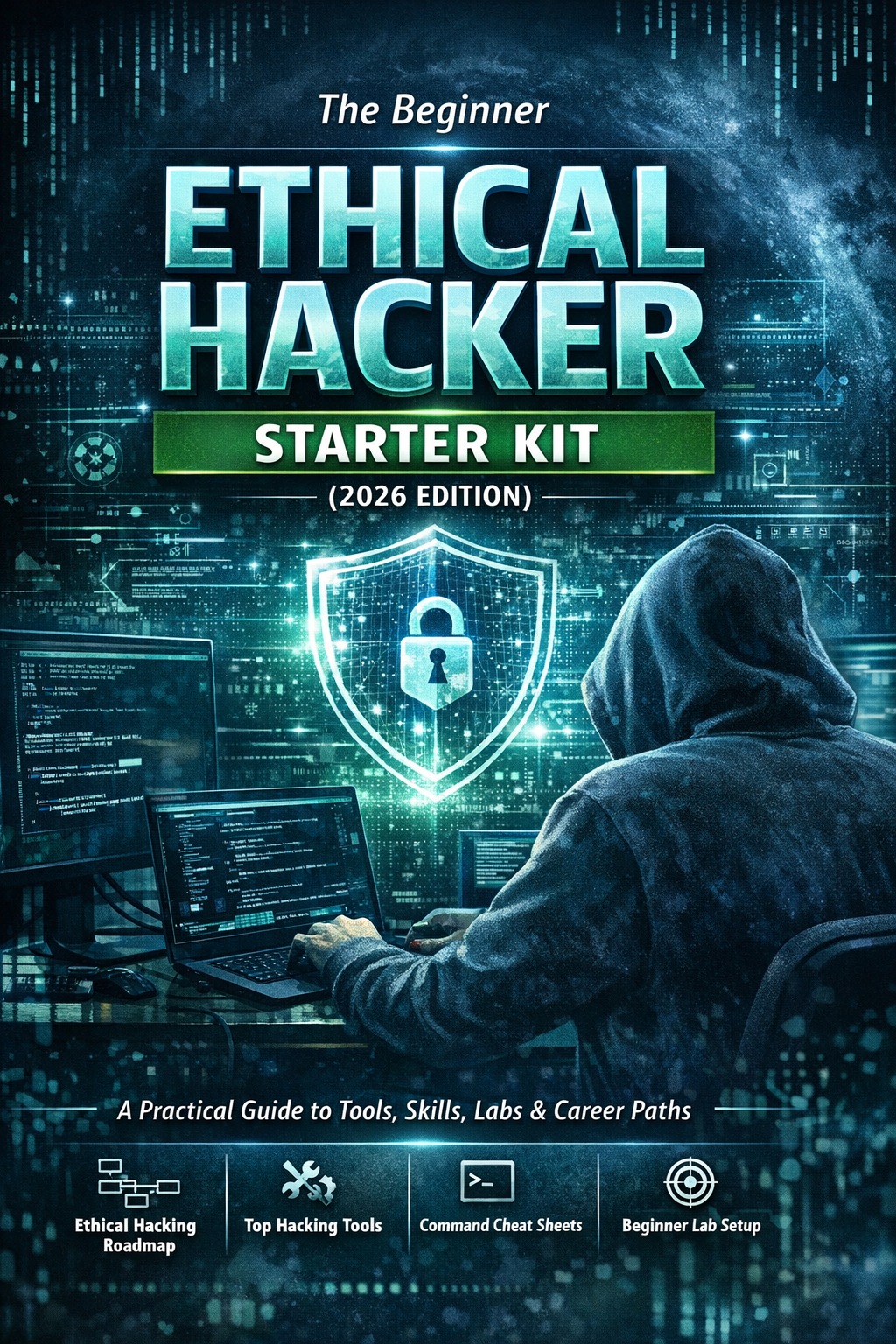
Start your journey with The Beginner Ethical Hacker Starter Kit (2026 Edition).
Inside the free guide, you’ll learn:.
- Ethical hacking fundamentals
- Beginner cybersecurity roadmap
- Essential hacking tools
- Common vulnerabilities explained

Why Ethical Hacking Feels Difficult at First?
Before we dive into the mistakes, it’s important to understand something:
Ethical hacking combines multiple disciplines.
To become successful, you need knowledge of:
- Networking
- Operating systems
- Web technologies
- Security concepts
- Problem-solving
- Documentation
That’s a lot to learn. Many beginners underestimate the breadth of the field and become overwhelmed.
Remember:
Ethical hacking is a journey, not a weekend project.

Mistake 1: Skipping the Fundamentals
This is probably the biggest mistake beginners make. Many people want to jump directly into hacking tools and advanced techniques. They watch flashy videos and assume that’s where they should start. The problem?
Without fundamentals, nothing makes sense.
What Fundamentals Should You Learn?
Start with:
- Networking basics
- IP addresses
- DNS
- HTTP/HTTPS
- Linux basics
- Operating systems
- Web application fundamentals
These concepts are the foundation of everything else.
Why This Matters?
Most hacking techniques rely on understanding how systems work. If you don’t understand the underlying technology, you’ll struggle to understand the attack.

Mistake 2: Focusing on Tools Instead of Concepts
Many beginners become obsessed with tools. They spend hours learning commands and interfaces. Unfortunately, tools change constantly. Concepts do not.
The Wrong Approach
Learning:
- Which button to click
- Which command to run
Without understanding why.
The Better Approach
Learn:
- Why the tool exists
- What problem it solves
- How the underlying technology works
A skilled ethical hacker can adapt to new tools quickly because they understand the concepts.

Mistake 3: Trying to Learn Everything at Once
Cybersecurity is massive. There are countless topics, including:
- Web security
- Network security
- Cloud security
- Malware analysis
- Digital forensics
- Reverse engineering
- Red teaming
Many beginners try to learn all of them simultaneously. This leads to information overload.
A Better Strategy:
Focus on one area at a time. For example:
Month 1:
- Networking
Month 2:
- Linux
Month 3:
- Web technologies
Build gradually.

Mistake 4: Watching Tutorials Without Practicing
This mistake is extremely common. Many beginners spend hours watching videos and reading articles. But they rarely practice.
The Problem:
Watching someone else perform a task creates the illusion of learning. However, real understanding comes from doing.
The Solution:
After learning a concept:
- Practice it
- Experiment with it
- Break things
- Troubleshoot problems
Hands-on experience is where real learning happens.

Mistake 5: Not Building a Home Lab
Ethical hacking is a practical skill. You need a safe place to learn. Unfortunately, many beginners never build a lab environment.
Why Labs Matter:
Labs allow you to:
- Practice safely
- Experiment freely
- Learn through trial and error
without fear of damaging real systems.
Beginner-Friendly Lab Ideas:
- Virtual machines
- Linux systems
- Test environments
- Educational practice platforms
Even a simple setup can dramatically improve learning.

Mistake 6: Ignoring Documentation
Many beginners believe documentation is boring. Professional ethical hackers disagree. Documentation is one of the most valuable skills in cybersecurity.
What Should You Document?
- Commands used
- Observations
- Mistakes
- Solutions
- Interesting findings
Benefits of Documentation:
You can:
- Learn faster
- Solve problems quicker
- Build a personal knowledge base
Future-you will thank present-you.

Mistake 7: Comparing Yourself to Experts
Social media can be discouraging. You see professionals:
- Finding vulnerabilities
- Speaking at conferences
- Building advanced tools
It’s easy to feel behind.
The Reality
Most experts have spent years building their skills. You’re seeing the result, not the journey.
Focus on Progress
Instead of asking:
“Why am I not as good as them?”
Ask:
“Am I better than I was last month?”
That’s the only comparison that matters.

Mistake 8: Ignoring Networking Knowledge
Many beginners underestimate networking. This is a major mistake. Networking is one of the most important foundations of ethical hacking.
Learn Topics Like:
- IP addresses
- Subnets
- DNS
- Routing
- TCP
- UDP
- Ports
Why Networking Matters
Almost every cybersecurity activity involves network communication. Understanding traffic makes everything easier.
Want to Learn Ethical Hacking Step-by-Step?
If you’re serious about learning cybersecurity, a structured roadmap makes the journey much easier.
Download The Beginner Ethical Hacker Starter Kit (2026 Edition) and discover:
✔ The ethical hacking learning path
✔ Beginner-friendly security concepts
✔ Essential tools ethical hackers use
✔ The most common vulnerabilities explained

Mistake 9: Practicing Unethically
Some beginners become curious and start testing systems they do not own. This is a dangerous mistake.
Ethical Hacking Requires Permission
Always practice in:
- Labs
- Training environments
- Authorized systems
Never test systems without permission.
Why This Matters:
Ethical hacking is built on trust and responsibility. Your reputation is one of your most valuable assets. Protect it.

Mistake 10: Giving Up Too Soon
Perhaps the most common mistake of all. Many beginners quit because they feel overwhelmed.
Why This Happens:
Cybersecurity can seem complicated. There are:
- New concepts
- Technical terminology
- Complex systems
Progress may feel slow.
What Beginners Should Remember:
Every cybersecurity professional started as a beginner. Nobody was born understanding:
- Networking
- Linux
- Security testing
- Web technologies
Skill develops through consistent effort.

Bonus Mistake: Chasing Shortcuts
The internet is full of promises. You’ll see headlines like:
- Learn hacking in 7 days
- Become a hacker overnight
- Master cybersecurity instantly
These claims are unrealistic.
The Truth:
There are no shortcuts. Success comes from:
- Consistency
- Practice
- Curiosity
- Patience
The people who succeed are usually the ones who stay committed.
What Beginners Should Focus on Instead
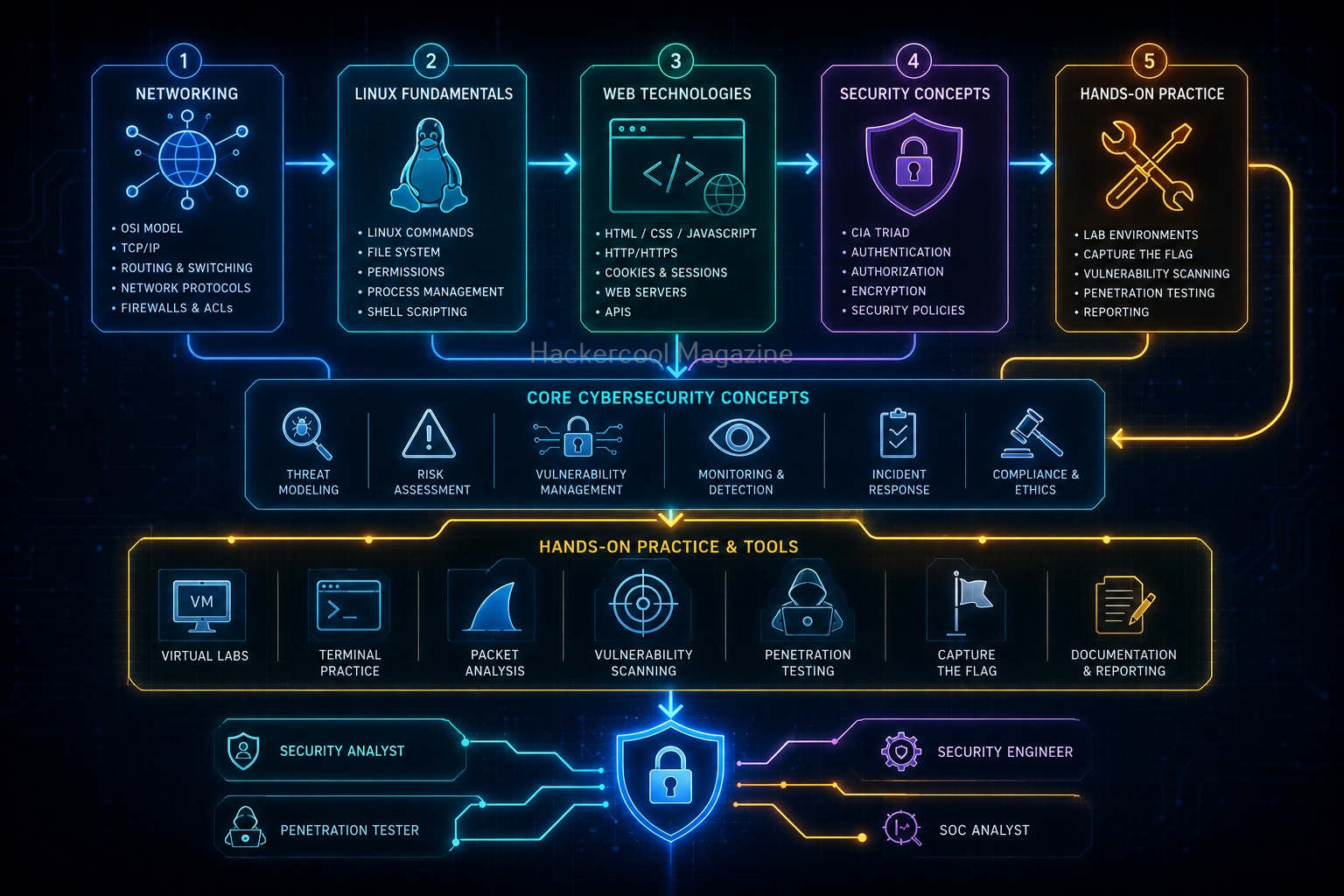
If you’re just getting started, here’s a better roadmap.
Step 1: Networking
Learn:
- IP addressing
- DNS
- Ports
- Protocols
Step 2: Linux
Learn:
- Command line
- Filesystems
- Permissions
Step 3: Web Fundamentals
Learn:
- HTML
- HTTP
- Cookies
- Sessions
Step 4: Security Concepts
Understand:
- Authentication
- Authorization
- Encryption
Step 5: Hands-On Practice
Apply everything you’ve learned.

A Beginner Learning Mindset
The most successful learners share common traits.
Curiosity:
They constantly ask:
“How does this work?”
Patience:
They understand progress takes time.
Persistence:
They continue despite setbacks.
Problem Solving:
They enjoy figuring things out.
Continuous Learning:
They embrace lifelong improvement.
How Long Does It Take to Learn Ethical Hacking?
This is one of the most common beginner questions. The answer depends on:
- Time invested
- Consistency
- Learning approach
- Prior technical experience
A realistic expectation:
3 Months:
Basic understanding.
6 Months:
Comfortable with fundamentals
12 Months:
Practical confidence in many concepts.
Beyond:
Continuous growth and specialization.
The learning never truly ends.

Conclusion
Learning ethical hacking can be one of the most rewarding journeys in technology. But success rarely comes from finding the perfect tool or secret shortcut. It comes from avoiding common mistakes and building strong foundations.
Remember:
- Learn fundamentals first
- Focus on concepts over tools
- Practice regularly
- Build a lab
- Document everything
- Stay ethical
- Be patient
Most importantly:
Don’t compare your beginning to someone else’s middle. Every expert ethical hacker was once a beginner staring at a command line for the first time. Keep learning, keep practicing and keep moving forward. The skills will come on their own.
Start Your Ethical Hacking Journey Today
Learning cybersecurity can feel overwhelming at first. The best way to start is with a clear roadmap and the right resources.
Download The Beginner Ethical Hacker Starter Kit (2026 Edition) and get instant access to:
Ethical Hacking Fundamentals
A beginner cybersecurity learning roadmap
Essential hacking tools every beginner should know
Common vulnerabilities explained simply