When learning ethical hacking and cybersecurity, beginners often focus on popular topics like network scanning, web vulnerabilities and password security. However, many important discoveries come from understanding smaller network services that quietly run in the background.
One such service is NTP (Network Time Protocol).

Time synchronization may seem like a simple function, but accurate time is extremely important in modern computer networks. Servers, applications, security systems and authentication mechanisms all depend on synchronized time.
Understanding NTP enumeration helps beginners learn how cybersecurity professionals analyze network services and identify information exposed by systems.
In this guide, you’ll learn:
- What NTP is
- What NTP enumeration means
- Why time synchronization matters
- Information that may be discovered
- How NTP fits into cybersecurity assessments
- Common beginner mistakes
New to Ethical Hacking?
Start your journey with The Beginner Ethical Hacker Starter Kit (2026 Edition).
Inside the free guide, you’ll learn:.
- Ethical hacking fundamentals
- Beginner cybersecurity roadmap
- Essential hacking tools
- Common vulnerabilities explained

What is NTP?
NTP stands for Network Time Protocol. It is a networking protocol used to synchronize clocks between computers and servers. Every device has an internal clock. Over time, these clocks can become inaccurate.
NTP helps ensure that systems across a network share the correct time. Think of NTP like a central clock in a large organization. Instead of every computer keeping its own slightly different time, devices synchronize with trusted time sources.

Why Accurate Time Matters?
Time synchronization in a network is more important than many beginners realize. Accurate time helps with:
Security Logs:
Security systems record events with timestamps. Examples include,
- Login attempts
- System changes
- Network activity
If clocks are incorrect, investigating incidents becomes much harder.
Authentication Systems:
Many authentication mechanisms depend on accurate timing. Incorrect time differences can cause authentication problems.
System Coordination:
Servers often work together. Accurate time helps ensure:
- Proper communication
- Scheduled tasks
- Data consistency
During investigations, security teams build timelines. Reliable timestamps help determine what happened and when.

What is NTP Enumeration?
NTP enumeration is the process of collecting information from systems running the Network Time Protocol service.
The goal is to understand:
- NTP configuration
- Time synchronization details
- Server information
- Network relationships
Simply put. NTP enumeration helps security professionals understand how a system manages time synchronization and what information the service exposes.
Why Learn NTP Enumeration?
Beginners may wonder:
“Why spend time learning about a time service?”
The answer is simple:
Small services can reveal useful information.
Cybersecurity professionals study every part of a system because security depends on the entire environment.
NTP enumeration teaches:
- Network service analysis
- Attention to detail
- Information gathering
- Infrastructure understanding

NTP in Ethical Hacking
NTP enumeration usually appears during the information-gathering and enumeration phases. A typical security assessment workflow:
- Reconnaissance
- Network Discovery
- Port Scanning
- Service Enumeration
- Analysis
- Reporting
After discovering available services, security professionals investigate what those services reveal.
Information Found During NTP Enumeration
Depending on configuration, NTP analysis may reveal different types of information.

1. Time Server Information:
Systems may show which time servers they communicate with. This helps understand network relationships.

2. System Configuration Details:
Some configurations may expose information about how the service operates. This provides insight into system management.

3. Connected Systems:
Time synchronization relationships may reveal connected devices. This can help build a network picture.

Want to Learn Ethical Hacking Step-by-Step?
If you’re serious about learning cybersecurity, a structured roadmap makes the journey much easier.
Download The Beginner Ethical Hacker Starter Kit (2026 Edition) and discover:
✔ The ethical hacking learning path
✔ Beginner-friendly security concepts
✔ Essential tools ethical hackers use
✔ The most common vulnerabilities explained
4. Service Information:
Enumeration may identify:
- Service availability
- Configuration details
- Network behavior
This contributes to understanding the system.
Understanding Network Services
NTP enumeration teaches an important cybersecurity lesson. Every network service has a purpose. Common services include:
- Web services
- Email services
- File sharing
- DNS
- Time synchronization
Each service provides functionality. Each service also needs proper security management.
Why Exposed Services Matter?
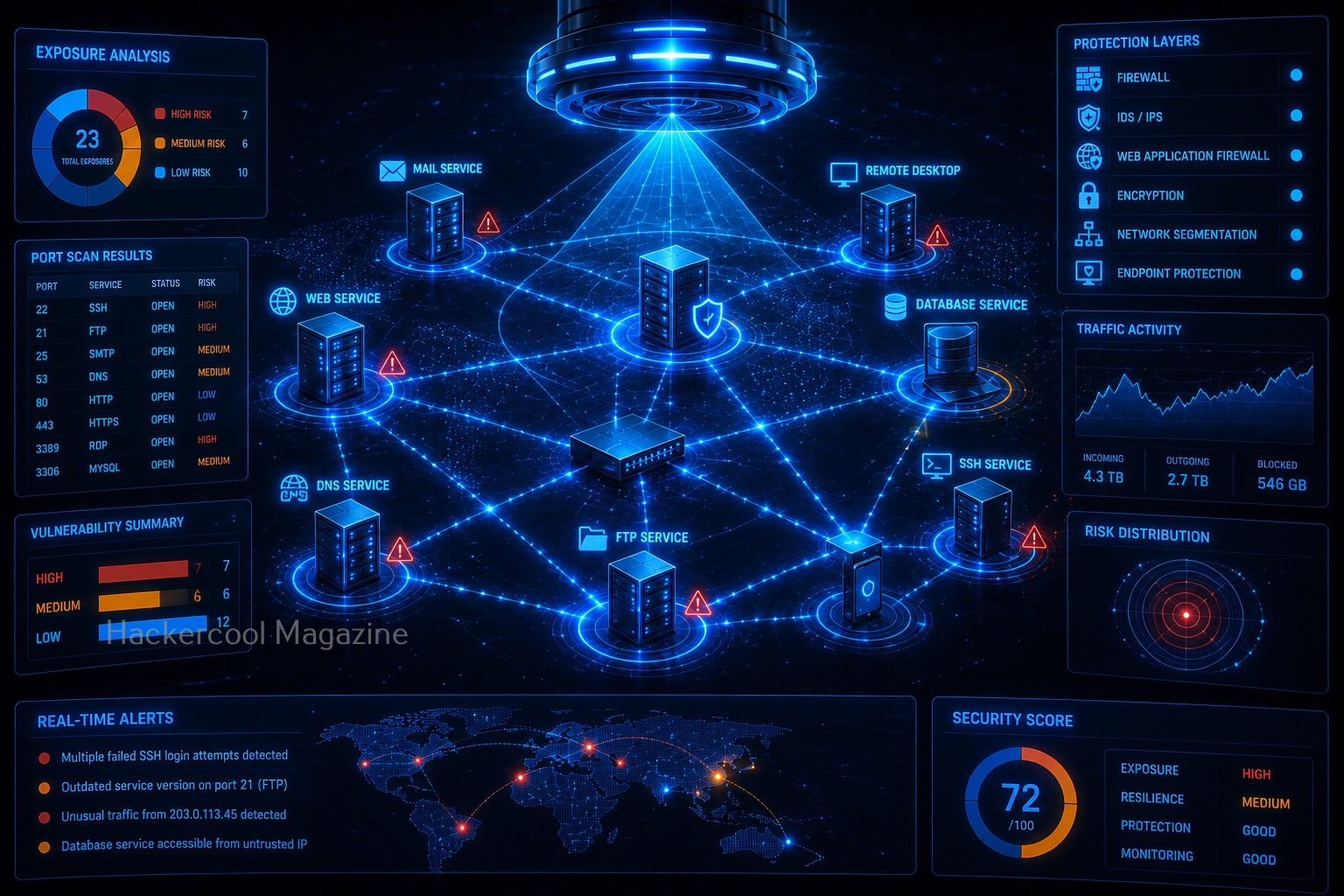
Any publicly accessible service increases a system’s exposure. Security teams regularly review services to determine:
- Is this service needed?
- Is it configured properly?
- Who can access it?
- Is it maintained?
Good security requires understanding of what is running.

NTP Security Considerations
Like any network service, NTP should be configured carefully.
Organizations usually focus on:
Proper Configuration:
Services should expose only necessary information.
Access Control:
Only appropriate systems should interact with internal services.
Monitoring:
Unexpected activity should be investigated.
Updates:
Software should remain updated and secure.
Common Beginner Mistakes
Please avoid doing these mistakes when learning NTP enumeration.
Thinking Small Services Don’t Matter:
Beginners often focus only on popular services. However, security professionals examine everything. Small details can provide important context.
Memorizing Tools Only:
Tools can collect information. Understanding results is more important.
Ask yourself:
“What does this information tell me?”
Ignoring Networking Basics:
Enumeration becomes easier when you understand:
- IP addresses
- Ports
- Protocols
- Network communication
Learn the foundations first.
Poor Documentation:
Always document findings.
Record:
- Services discovered
- Observations
- Questions
- Configuration notes
Good documentation builds professional habits.
Practicing Without Permission:
Always follow ethical rules.
Only analyze:
- Your own systems
- Home labs
- Training environments
- Authorized networks

Safe Ways Beginners Can Practice
You can learn NTP enumeration safely. Here’s how.
Build a Home Lab:
Create a controlled environment using your own devices.
Use Virtual Machines:
Virtual machines allow safe experimentation.
Study Network Services:
Learn how different protocols work.
Practice Documentation:
Write notes like a professional security report.
A Simple Exercise
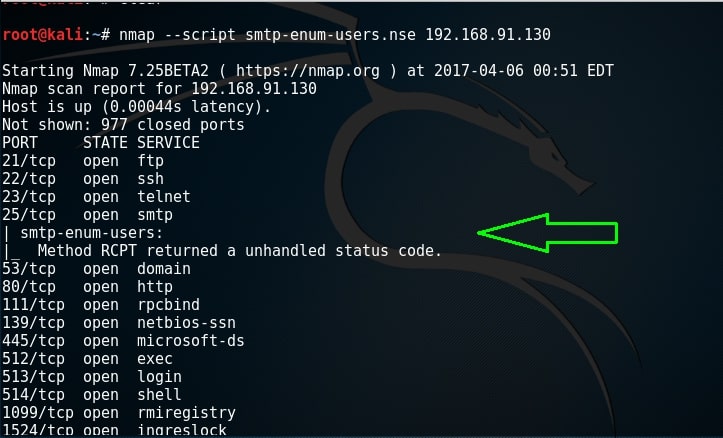
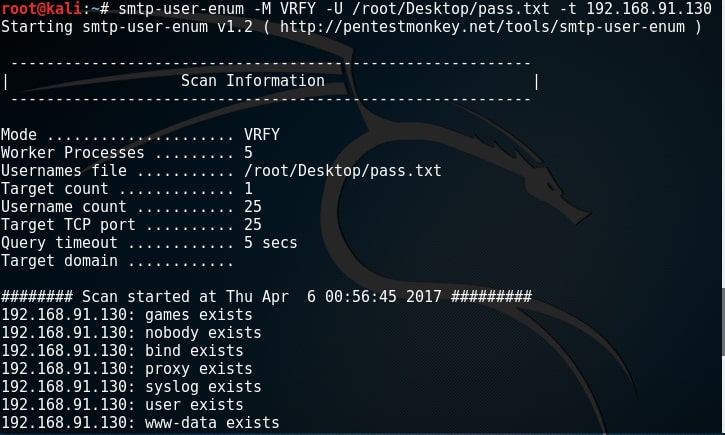
There are many tools to perform enumerate NTP but for this article, let’s see how to perform it using Nmap scripting engine. Yes, Nmap has specific scripts to enumerate NTP. One such script is “ntp-info.nse”. The “ntp-info.nse” script reveals time and configuration variables from the NTP server. Let’s see how to use it.

As you can see, the above script gives us information not only about the target server’s operating system but also the version of the kernel running etc. Another script “ntp-monlist.nse” can be used to retrieve NTP server’s monitor data.

Skills Developed by Learning NTP Enumeration
Apart from providing crucial information, learning NTP enumeration improves important cybersecurity abilities. They are,
Attention to Detail:
Security requires noticing small clues.
Network Understanding:
You learn how systems communicate.
Analytical Thinking:
You connect pieces of information together.

Investigation Skills:
You learn structured information gathering.
Professional Methodology:
You develop a systematic approach.
Why Beginners Should Learn Enumeration Concepts
NTP enumeration is only one example. The bigger lesson is learning how to analyze services. The same thinking applies to:
- DNS
- Web servers
- Email services
- Databases
- File sharing systems
Enumeration builds the mindset needed for cybersecurity.

Conclusion
NTP may appear to be a simple time synchronization protocol, but understanding it teaches valuable cybersecurity lessons. Security professionals know that every service contributes to the overall picture of a network.
NTP enumeration helps beginners develop:
- Curiosity
- Investigation skills
- Technical understanding
- Attention to detail
Remember:
✔ NTP keeps systems synchronized
✔ Time accuracy is critical for security
✔ Enumeration helps understand exposed services
✔ Small details can provide valuable context
✔ Concepts matter more than tools
✔ Always practice in authorized environments
Learning NTP enumeration is another step toward developing the mindset of a cybersecurity professional.
Start Your Ethical Hacking Journey Today
Learning cybersecurity can feel overwhelming at first. The best way to start is with a clear roadmap and the right resources.
Download The Beginner Ethical Hacker Starter Kit (2026 Edition) and get instant access to:
Ethical Hacking Fundamentals
A beginner cybersecurity learning roadmap
Essential hacking tools every beginner should know
Common vulnerabilities explained simply