If you’ve recently started learning ethical hacking, you’ve probably encountered countless videos, blog posts and social media content claiming that hacking is easy, exciting and something you can master in a few weeks.
Unfortunately, much of this information is misleading. Movies, television shows and clickbait content have created unrealistic expectations about what ethical hacking actually involves. As a result, many beginners start their cybersecurity journey believing myths that slow their progress or discourage them altogether.
The truth is that ethical hacking is a highly technical and rewarding field, but it requires patience, curiosity, continuous learning and a solid understanding of computer systems. In this article, we’ll debunk some of the most common ethical hacking myths beginners believe and explain the reality behind them.
New to Ethical Hacking?
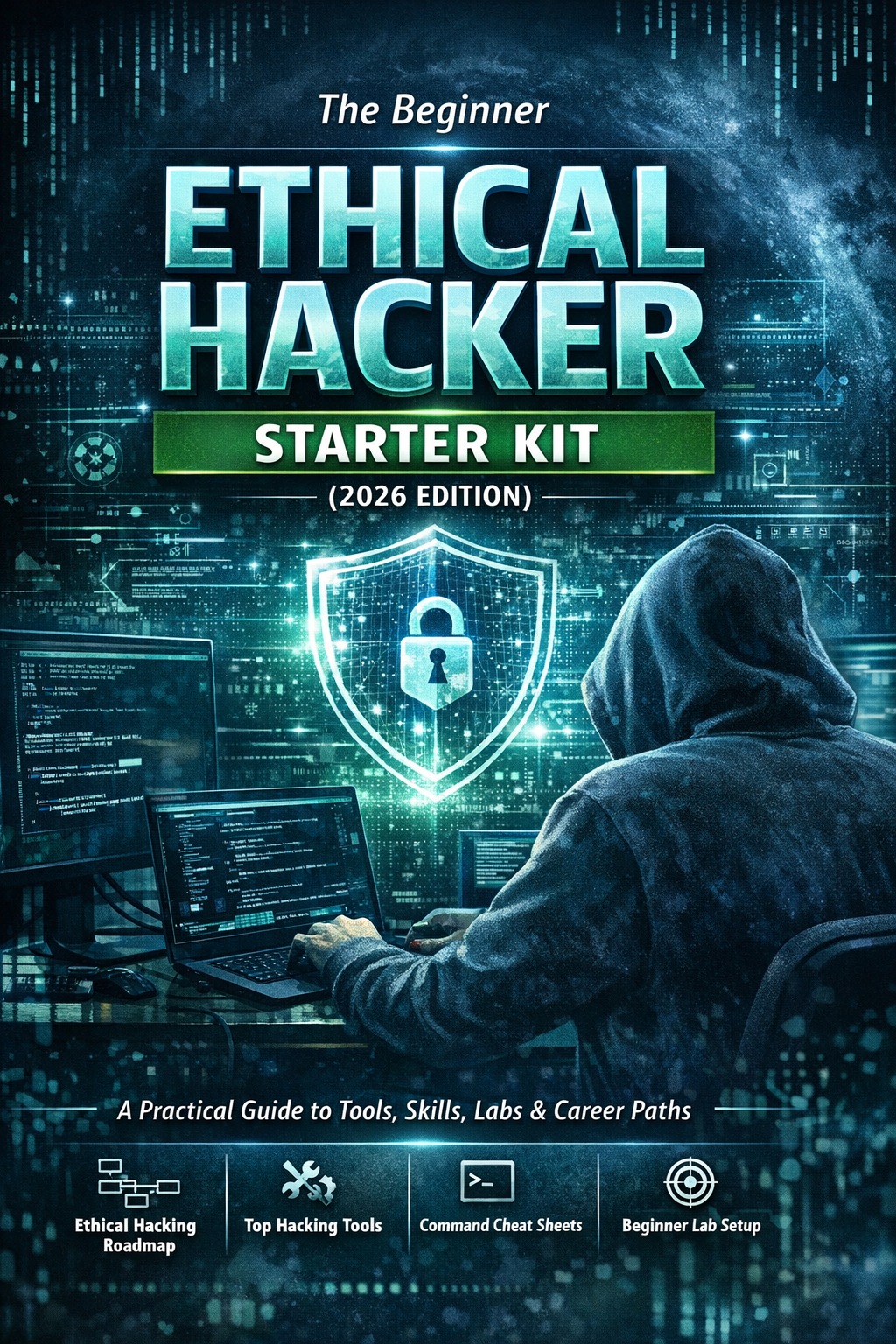
Start your journey with The Beginner Ethical Hacker Starter Kit (2026 Edition).
Inside the free guide, you’ll learn:.
- Ethical hacking fundamentals
- Beginner cybersecurity roadmap
- Essential hacking tools
- Common vulnerabilities explained

Why So Many Myths Exist
Ethical hacking has become increasingly popular over the last decade. As interest has grown, so has the amount of online content surrounding it. Unfortunately, not all of that content is accurate.
Many creators focus on dramatic demonstrations, flashy tools and unrealistic promises because they attract attention. This often gives beginners the wrong impression of what ethical hacking actually involves. Learning the truth early will help you avoid frustration and build the right mindset.

Myth 1: Ethical Hacking Is Only About Hacking Into Systems
This is probably the biggest misconception. When people hear the word “hacking,” they imagine breaking into computers. In reality, ethical hacking is much broader.
Professional ethical hackers spend much of their time:
- Planning assessments
- Gathering information
- Understanding systems
- Reviewing configurations
- Writing reports
- Communicating findings
Actual testing is only one part of the process. Successful ethical hacking begins long before any technical testing takes place.

Myth 2: You Need to Be a Programming Expert
Many beginners delay learning ethical hacking because they believe they must first become expert programmers. Fortunately, that’s not true.
Programming is an extremely valuable skill but you don’t need to master multiple programming languages before getting started. As a beginner, understanding basic programming concepts is usually enough.
For example, learning:
- Variables
- Loops
- Functions
- Conditions
will help you understand scripts and automate simple tasks. As your skills grow, your programming knowledge can grow alongside them.

Myth 3: Ethical Hackers Memorize Hundreds of Tools
Beginners often believe professionals know every hacking tool available. The reality is very different. Experienced ethical hackers focus on understanding concepts. Tools simply help apply those concepts.
Why is this important? New tools appear every year. Old tools become outdated. If you understand networking, operating systems and web technologies, learning a new tool becomes much easier. Concepts last much longer than software.

Myth 4: Learning Ethical Hacking Is Fast
Social media is full of claims like:
- Become a hacker in 30 days
- Learn ethical hacking in one week
- Master cybersecurity quickly
These promises are unrealistic. Ethical hacking combines knowledge from several disciplines, including:
- Networking
- Linux
- Windows
- Web technologies
- Security principles
- Problem solving
Learning all of these takes time. Progress is gradual and that’s completely normal.

Myth 5: Kali Linux Makes You a Hacker
Many beginners believe installing Kali Linux instantly makes them an ethical hacker. Kali Linux is simply an operating system designed for security professionals. Installing it doesn’t automatically provide cybersecurity knowledge.
Without understanding networking, operating systems and security concepts, the tools included in Kali Linux won’t be very useful. Knowledge, not software, makes someone a skilled ethical hacker.

Myth 6: You Need Expensive Equipment
Some beginners think they need powerful computers and expensive hardware before they can start learning. In reality, many cybersecurity concepts can be learned using:
- An ordinary laptop
- Virtual machines
- Free educational resources
- Home lab environments
As your skills grow, you may choose to upgrade your equipment but it’s not a requirement for getting started.

Myth 7: Ethical Hacking Is Mostly About Breaking Things
Movies often portray hackers causing chaos. Professional ethical hackers have a very different objective. Their goal is to improve security. They identify weaknesses so organizations can fix them before malicious attackers exploit them. Ethical hacking is about protection, not destruction.

Myth 8: Certifications Are All You Need
Certifications can be valuable. They demonstrate commitment and help organize learning. However, certifications alone don’t make someone an effective ethical hacker.
Employers also look for:
- Practical skills
- Problem-solving ability
- Hands-on experience
- Communication skills
Think of certifications as one part of your learning journey, not the destination.
Want to Learn Ethical Hacking Step-by-Step?
If you’re serious about learning cybersecurity, a structured roadmap makes the journey much easier.
Download The Beginner Ethical Hacker Starter Kit (2026 Edition) and discover:
✔ The ethical hacking learning path
✔ Beginner-friendly security concepts
✔ Essential tools ethical hackers use
✔ The most common vulnerabilities explained

Myth 9: You Must Learn Everything Before Practicing
Many beginners spend months reading books and watching tutorials before trying anything themselves. While theory is important, ethical hacking is a practical field. You’ll learn much faster by combining study with hands-on practice in safe environments.
Building a small home lab or using beginner-friendly cybersecurity training platforms allows you to apply what you’ve learned and gain confidence.

Myth 10: Ethical Hacking Is Only for Computer Geniuses
Perhaps the most damaging myth is that only exceptionally gifted people can succeed in cybersecurity. The truth is that successful ethical hackers come from many different backgrounds. What they often share is not extraordinary intelligence but qualities such as:
- Curiosity
- Persistence
- Patience
- Attention to detail
- Willingness to keep learning
Cybersecurity rewards consistent effort far more than natural talent alone.

What Beginners Should Believe Instead
Now that we’ve cleared up some common myths, let’s replace them with healthier beliefs.
Build Strong Foundations:
Start by learning:
- Networking
- Linux
- Windows basics
- Web technologies
- Security concepts
These fundamentals will support everything you learn later.
Focus on Understanding:
Instead of memorizing commands, ask:
- Why does this work?
- What problem does it solve?
- How does the technology function?
Understanding creates long-term knowledge.
Practice Regularly:
Reading is important. Practicing is essential. Set aside time to explore concepts in safe, authorized environments. The more you practice, the more confident you’ll become.
Stay Patient:
Cybersecurity isn’t something you master overnight. Progress may feel slow at times, but every concept you learn builds on the last. Small improvements add up over months and years.
Learn Ethically:
Always remember that ethical hacking requires authorization.
Only practice on:
- Your own systems
- Home labs
- Virtual machines
- Educational cybersecurity platforms
- Authorized environments
Professional ethics are just as important as technical skills.

A Simple Learning Roadmap
If you’re unsure where to begin, follow this structured approach.
Step 1:
Learn networking fundamentals.
Step 2:
Become comfortable using Linux.
Step 3:
Understand how websites work.
Step 4:
Study basic security concepts.
Step 5:
Practice safely in a home lab.
Step 6:
Learn reconnaissance and enumeration.
Step 7:
Explore common vulnerabilities and defensive security concepts.
Building your knowledge step by step is far more effective than chasing shortcuts.

Conclusion
Ethical hacking is one of the most exciting and rewarding areas of cybersecurity. However, success begins with realistic expectations. Don’t let internet myths shape your learning journey.
Instead:
✔ Learn the fundamentals.
✔ Focus on concepts rather than tools.
✔ Practice consistently.
✔ Stay curious.
✔ Learn ethically.
✔ Be patient with yourself.
Remember, every experienced ethical hacker was once a beginner who didn’t know what an IP address or DNS record was. The difference is they kept learning. If you avoid these common myths and focus on building genuine knowledge, you’ll develop skills that will serve you throughout your cybersecurity career.
The biggest myth of all is that ethical hacking is only for a select few. In reality, anyone willing to learn patiently, practice consistently and think critically can build a successful foundation in cybersecurity.
Start Your Ethical Hacking Journey Today
Learning cybersecurity can feel overwhelming at first. The best way to start is with a clear roadmap and the right resources.
Download The Beginner Ethical Hacker Starter Kit (2026 Edition) and get instant access to:
Ethical Hacking Fundamentals
A beginner cybersecurity learning roadmap
Essential hacking tools every beginner should know
Common vulnerabilities explained simply