Posted on

Ethical Hacking Myths: Common Misconceptions Beginners Believe

If you’ve recently started learning ethical hacking, you’ve probably encountered countless videos, blog posts and social media content claiming that hacking is easy, exciting and something you can master in a few weeks.

Unfortunately, much of this information is misleading. Movies, television shows and clickbait content have created unrealistic expectations about what ethical hacking actually involves. As a result, many beginners start their cybersecurity journey believing myths that slow their progress or discourage them altogether.

The truth is that ethical hacking is a highly technical and rewarding field, but it requires patience, curiosity, continuous learning and a solid understanding of computer systems. In this article, we’ll debunk some of the most common ethical hacking myths beginners believe and explain the reality behind them.

Why So Many Myths Exist

Ethical hacking has become increasingly popular over the last decade. As interest has grown, so has the amount of online content surrounding it. Unfortunately, not all of that content is accurate.

Many creators focus on dramatic demonstrations, flashy tools and unrealistic promises because they attract attention. This often gives beginners the wrong impression of what ethical hacking actually involves. Learning the truth early will help you avoid frustration and build the right mindset.

Myth 1: Ethical Hacking Is Only About Hacking Into Systems

This is probably the biggest misconception. When people hear the word “hacking,” they imagine breaking into computers. In reality, ethical hacking is much broader.

Professional ethical hackers spend much of their time:

  • Planning assessments
  • Gathering information
  • Understanding systems
  • Reviewing configurations
  • Writing reports
  • Communicating findings

Actual testing is only one part of the process. Successful ethical hacking begins long before any technical testing takes place.

Myth 2: You Need to Be a Programming Expert

Many beginners delay learning ethical hacking because they believe they must first become expert programmers. Fortunately, that’s not true.

Programming is an extremely valuable skill but you don’t need to master multiple programming languages before getting started. As a beginner, understanding basic programming concepts is usually enough.

For example, learning:

  • Variables
  • Loops
  • Functions
  • Conditions

will help you understand scripts and automate simple tasks. As your skills grow, your programming knowledge can grow alongside them.

Myth 3: Ethical Hackers Memorize Hundreds of Tools

Beginners often believe professionals know every hacking tool available. The reality is very different. Experienced ethical hackers focus on understanding concepts. Tools simply help apply those concepts.

Why is this important? New tools appear every year. Old tools become outdated. If you understand networking, operating systems and web technologies, learning a new tool becomes much easier. Concepts last much longer than software.

Myth 4: Learning Ethical Hacking Is Fast

Social media is full of claims like:

  • Become a hacker in 30 days
  • Learn ethical hacking in one week
  • Master cybersecurity quickly

These promises are unrealistic. Ethical hacking combines knowledge from several disciplines, including:

  • Networking
  • Linux
  • Windows
  • Web technologies
  • Security principles
  • Problem solving

Learning all of these takes time. Progress is gradual and that’s completely normal.

Myth 5: Kali Linux Makes You a Hacker

Many beginners believe installing Kali Linux instantly makes them an ethical hacker. Kali Linux is simply an operating system designed for security professionals. Installing it doesn’t automatically provide cybersecurity knowledge.

Without understanding networking, operating systems and security concepts, the tools included in Kali Linux won’t be very useful. Knowledge, not software, makes someone a skilled ethical hacker.

Myth 6: You Need Expensive Equipment

Some beginners think they need powerful computers and expensive hardware before they can start learning. In reality, many cybersecurity concepts can be learned using:

  • An ordinary laptop
  • Virtual machines
  • Free educational resources
  • Home lab environments

As your skills grow, you may choose to upgrade your equipment but it’s not a requirement for getting started.

Myth 7: Ethical Hacking Is Mostly About Breaking Things

Movies often portray hackers causing chaos. Professional ethical hackers have a very different objective. Their goal is to improve security. They identify weaknesses so organizations can fix them before malicious attackers exploit them. Ethical hacking is about protection, not destruction.

Myth 8: Certifications Are All You Need

Certifications can be valuable. They demonstrate commitment and help organize learning. However, certifications alone don’t make someone an effective ethical hacker.

Employers also look for:

  • Practical skills
  • Problem-solving ability
  • Hands-on experience
  • Communication skills

Think of certifications as one part of your learning journey, not the destination.

Myth 9: You Must Learn Everything Before Practicing

Many beginners spend months reading books and watching tutorials before trying anything themselves. While theory is important, ethical hacking is a practical field. You’ll learn much faster by combining study with hands-on practice in safe environments.

Building a small home lab or using beginner-friendly cybersecurity training platforms allows you to apply what you’ve learned and gain confidence.

Myth 10: Ethical Hacking Is Only for Computer Geniuses

Perhaps the most damaging myth is that only exceptionally gifted people can succeed in cybersecurity. The truth is that successful ethical hackers come from many different backgrounds. What they often share is not extraordinary intelligence but qualities such as:

  • Curiosity
  • Persistence
  • Patience
  • Attention to detail
  • Willingness to keep learning

Cybersecurity rewards consistent effort far more than natural talent alone.

What Beginners Should Believe Instead

Now that we’ve cleared up some common myths, let’s replace them with healthier beliefs.

Build Strong Foundations:

Start by learning:

  • Networking
  • Linux
  • Windows basics
  • Web technologies
  • Security concepts

These fundamentals will support everything you learn later.

Focus on Understanding:

Instead of memorizing commands, ask:

  • Why does this work?
  • What problem does it solve?
  • How does the technology function?

Understanding creates long-term knowledge.

Practice Regularly:

Reading is important. Practicing is essential. Set aside time to explore concepts in safe, authorized environments. The more you practice, the more confident you’ll become.

Stay Patient:

Cybersecurity isn’t something you master overnight. Progress may feel slow at times, but every concept you learn builds on the last. Small improvements add up over months and years.

Learn Ethically:

Always remember that ethical hacking requires authorization.

Only practice on:

  • Your own systems
  • Home labs
  • Virtual machines
  • Educational cybersecurity platforms
  • Authorized environments

Professional ethics are just as important as technical skills.

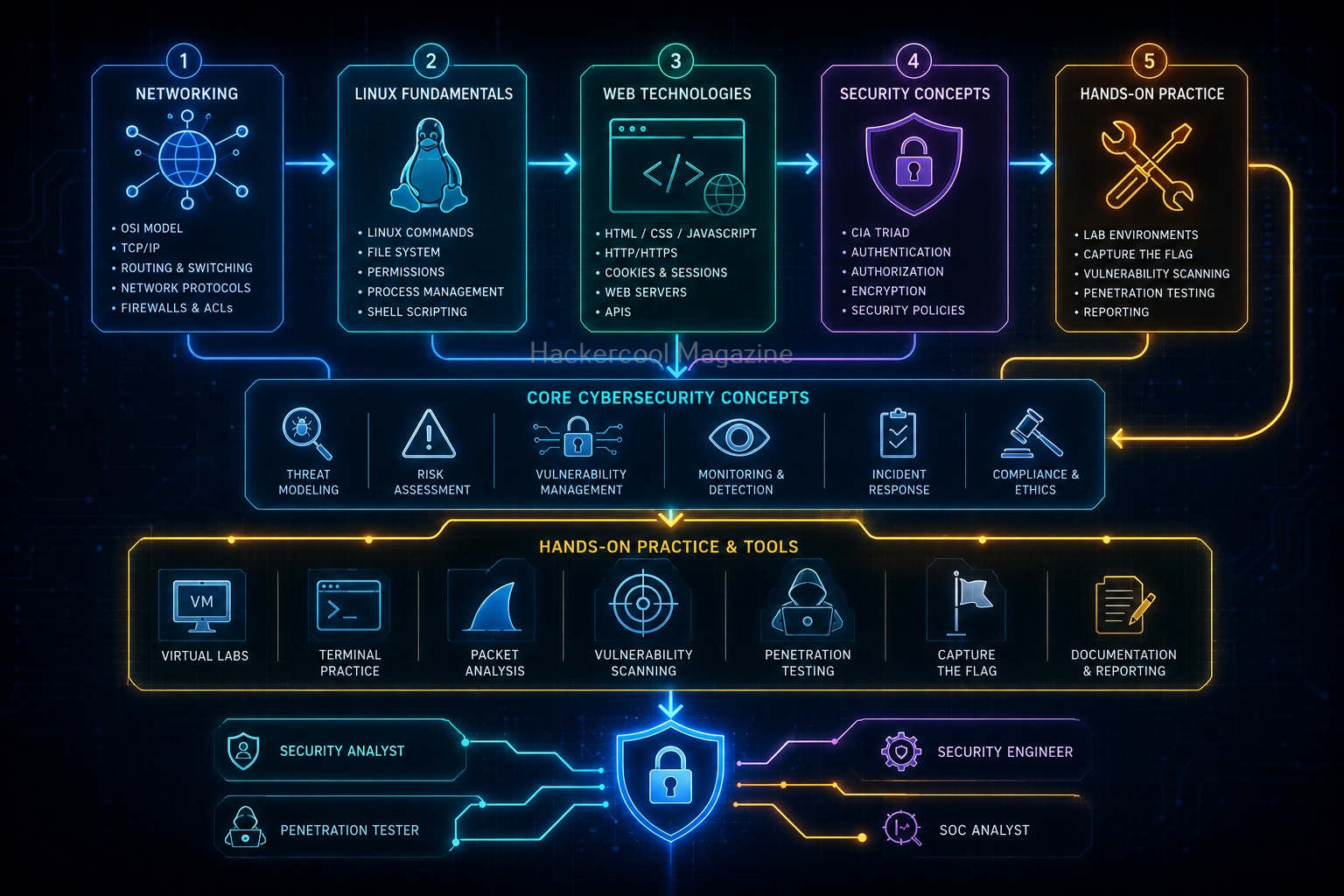
A Simple Learning Roadmap

If you’re unsure where to begin, follow this structured approach.

Step 1:

Learn networking fundamentals.

Step 2:

Become comfortable using Linux.

Step 3:

Understand how websites work.

Step 4:

Study basic security concepts.

Step 5:

Practice safely in a home lab.

Step 6:

Learn reconnaissance and enumeration.

Step 7:

Explore common vulnerabilities and defensive security concepts.

Building your knowledge step by step is far more effective than chasing shortcuts.

Conclusion

Ethical hacking is one of the most exciting and rewarding areas of cybersecurity. However, success begins with realistic expectations. Don’t let internet myths shape your learning journey.

Instead:

✔ Learn the fundamentals.
✔ Focus on concepts rather than tools.
✔ Practice consistently.
✔ Stay curious.
✔ Learn ethically.
✔ Be patient with yourself.

Remember, every experienced ethical hacker was once a beginner who didn’t know what an IP address or DNS record was. The difference is they kept learning. If you avoid these common myths and focus on building genuine knowledge, you’ll develop skills that will serve you throughout your cybersecurity career.

The biggest myth of all is that ethical hacking is only for a select few. In reality, anyone willing to learn patiently, practice consistently and think critically can build a successful foundation in cybersecurity.

Posted on 1 Comment

5 Things Beginners Should NOT Do When Starting Cybersecurity

Starting a cybersecurity journey is exciting. You discover ethical hacking, penetration testing, digital forensics, threat hunting, malware analysis and dozens of other fascinating areas. Suddenly, a whole new world of technology opens up.

Unfortunately, many beginners make mistakes that slow their progress, create unnecessary frustration or even push them away from cybersecurity altogether.

The good news?

Most of these mistakes are completely avoidable. In this article, we’ll explore five common things beginners should not do when starting cybersecurity and discuss what successful learners do instead. If you’re just beginning your journey, avoiding these mistakes can save you months of confusion and help you build a much stronger foundation.

Why So Many Beginners Struggle

Cybersecurity is different from many other fields. You’re not learning a single skill. You’re learning how multiple technologies work together. Cybersecurity involves:

  • Networking
  • Operating systems
  • Web technologies
  • Security concepts
  • Problem solving
  • Investigation
  • Continuous learning

Because there are so many moving parts, beginners often feel overwhelmed. Many people mistakenly believe they’re failing when they’re actually experiencing a normal learning process. Understanding what not to do can make that process much smoother.

Mistake 1: Don’t Skip the Fundamentals

One of the biggest mistakes beginners make is trying to jump straight into hacking tools and advanced techniques.

They want to learn:

before they understand basic networking or operating systems.

Why This Is a Problem:

Imagine trying to become a car mechanic without understanding how an engine works. That’s essentially what happens when you skip cybersecurity fundamentals. Without foundational knowledge, you’ll struggle to understand:

  • Network traffic
  • Scan results
  • Security alerts
  • Web vulnerabilities
  • System behavior

Everything becomes harder.

What You Should Do Instead:

Start with

Networking Basics:

Learn:

  • IP addresses
  • DNS
  • TCP/IP
  • Ports
  • Routing

Operating Systems:

Focus on:

  • Linux basics
  • Windows fundamentals
  • Filesystems
  • Permissions

Web Technologies:

Understand:

  • HTTP
  • HTTPS
  • HTML
  • Cookies
  • Sessions

These topics provide the foundation for nearly everything you’ll learn later.

Mistake 2: Don’t Focus Only on Tools

Many beginners become obsessed with tools. They install:

  • Kali Linux
  • Security scanners
  • Reconnaissance tools
  • Analysis tools

and spend weeks memorizing commands.

Why This Is a Mistake:

Tools are constantly changing. New tools appear. Old tools disappear. Interfaces get updated. But the concepts behind them remain the same.

A skilled cybersecurity professional understands:

  • Why a tool exists
  • What problem it solves
  • What information it provides

The tool itself is secondary.

What You Should Do Instead:

When learning a tool, ask:

  • What is it doing?
  • Why is it doing it?
  • How does the technology work?

Understanding concepts will make you adaptable throughout your career.

Mistake 3: Don’t Try to Learn Everything at Once

Cybersecurity is enormous. There are dozens of specializations.

Some of its specifications include:

Many beginners attempt to learn all of them simultaneously.

Why This Fails:

Trying to learn everything creates:

  • Information overload
  • Confusion
  • Frustration
  • Burnout

Instead of making progress, you become overwhelmed.

What You Should Do Instead:

Choose a learning path. For example:

Month 1:

Networking

Month 2:

Linux

Month 3:

Web fundamentals

Month 4:

Security basics

Month 5:

Hands-on labs

Gradual progress is much more effective than trying to absorb everything at once.

Mistake 4:Don’t Practice on Unauthorized Systems

This is one of the most important lessons for beginners. Curiosity is good. Unauthorized testing is not. Some beginners become excited about cybersecurity and start experimenting on systems they do not own. This is a serious mistake.

Why It Matters:

Ethical hacking is built on permission. Without authorization, activities can become illegal and unethical. Professional cybersecurity practitioners follow strict rules regarding authorization.

What You Should Do Instead:

Practice in safe environments such as:

Home Labs:

Systems you own and control.

Virtual Machines:

Perfect for learning and experimentation.

Educational Platforms:

Training environments specifically designed for cybersecurity learning.

Practice Networks:

Authorized environments created for education.

Remember:

The word “ethical” in ethical hacking is extremely important.

Mistake 5: Don’t Give Up Too Soon

This may be the most common mistake of all. Many people quit cybersecurity before they ever give themselves a real chance to succeed.

Why Beginners Quit:

Cybersecurity can feel overwhelming. You’ll encounter:

  • Technical terminology
  • Complex concepts
  • New technologies
  • Challenging problems

At times, it may seem like everyone else understands things faster than you do.

The Truth:

Every cybersecurity professional has felt confused. Every expert was once a beginner. Nobody starts with advanced knowledge. Skills develop gradually through:

  • Practice
  • Curiosity
  • Repetition
  • Experience

What You Should Do Instead:

Focus on progress. Ask yourself:

“Do I understand more today than I did last month?”

That’s the metric that matters. Not perfection. Not speed. Progress.

What Successful Cybersecurity Learners Do Differently

Now that we’ve covered common mistakes, let’s look at what successful learners do.

They Build Strong Foundations:

They invest time learning:

  • Networking
  • Linux
  • Web technologies
  • Security concepts

Before moving into advanced topics.

They Practice Regularly:

Learning becomes hands-on. They build labs. They experiment. They investigate.

They Stay Curious:

Successful learners constantly ask:

  • Why does this happen?
  • How does this work?
  • What can I learn from this?

Curiosity drives growth.

They Document Everything:

Notes become an invaluable resource. They record:

  • Commands
  • Findings
  • Observations
  • Lessons learned

Documentation accelerates learning.

They Remain Patient:

Cybersecurity is a marathon, not a sprint. The best learners understand this.

A Simple Beginner Roadmap

If you’re unsure where to start, here’s a practical roadmap.

Step 1: Learn Networking

Understand:

  • IP addresses
  • DNS
  • Ports
  • Protocols

Step 2: Learn Linux

Focus on:

  • Command line basics
  • Files
  • Permissions

Step 3: Learn Web Fundamentals

Study:

  • HTTP
  • Cookies
  • Sessions
  • Client-server communication

Step 4: Learn Security Concepts

Understand:

  • Authentication
  • Authorization
  • Encryption
  • Common threats

Step 5: Practice Safely

Apply what you’ve learned in authorized environments.

Conclusion

Cybersecurity is one of the most rewarding fields in technology. But success rarely comes from shortcuts. Most beginners who struggle make the same mistakes:

  • Skipping fundamentals
  • Focusing only on tools
  • Trying to learn everything
  • Practicing unsafely
  • Giving up too early

The good news is that all of these mistakes are avoidable.

Remember:

✔ Learn the fundamentals first
✔ Focus on concepts before tools
✔ Take your time
✔ Practice ethically
✔ Stay consistent
✔ Be patient with yourself

Cybersecurity is not about becoming an expert overnight. It’s about making steady progress, one skill at a time. If you keep learning and keep practicing, you’ll be surprised how far you can go.

The beginners who succeed aren’t necessarily the smartest. They’re usually the ones who stay curious, stay patient and keep learning. This topic works especially well for your beginner audience because it addresses common frustrations and naturally encourages readers to continue their cybersecurity journey.

Posted on

Why Most People Fail to Learn Ethical Hacking (And How to Avoid Their Mistakes)

Every year, thousands of people decide they want to learn ethical hacking. They watch YouTube videos, buy courses, install cybersecurity tools and dream of becoming skilled ethical hackers. Yet a surprising number never make it past the beginner stage.

Some quit after a few weeks. Others spend months learning without making meaningful progress. A few become overwhelmed and eventually move on to something else entirely. The interesting thing is that most people don’t fail because ethical hacking is impossible to learn. They fail because they approach it the wrong way.

If you’re currently learning ethical hacking or thinking about starting, understanding these common pitfalls can dramatically improve your chances of success. In this article, we’ll explore why most people fail to learn ethical hacking and what successful learners do differently.

The Truth About Learning Ethical Hacking

Before discussing the reasons people fail, it’s important to understand something. Ethical hacking is not a single skill. It’s a combination of multiple disciplines, including:

  • Networking
  • Operating systems
  • Web technologies
  • Security concepts
  • Problem solving
  • Research
  • Documentation

This means ethical hacking isn’t something you master in a weekend. It’s a journey that requires patience and consistency. Many beginners underestimate this reality and that’s where problem begins.

Reason 1: They Expect Quick Results

One of the biggest reasons people fail is unrealistic expectations. The internet is filled with headlines such as:

  • Learn hacking in 7 days
  • Become an ethical hacker in a month
  • Master cybersecurity quickly

These claims create unrealistic expectations.

The Reality:

Learning ethical hacking takes time. You need to understand:

  • How networks work
  • How operating systems work
  • How websites function
  • How security mechanisms operate

These topics require consistent study and practice. When beginners don’t see rapid progress, they often assume they’re not capable. In reality, they’re simply experiencing the normal learning curve.

Reason 2: They Skip the Fundamentals

Many beginners want to jump directly into hacking tools and advanced techniques. They skip:

  • Networking
  • Linux
  • Web fundamentals
  • Security basics

Because these topics seem less exciting.

Why This Causes Problems?

Imagine trying to become a mechanic without understanding how an engine works. That’s what ethical hacking feels like when fundamentals are missing.

Without foundational knowledge:

  • Scan results make little sense
  • Web vulnerabilities become confusing
  • Network traffic looks meaningless

Strong fundamentals make advanced concepts easier to understand.

Reason 3: They Focus on Tools Instead of Understanding

Many beginners collect tools. They install dozens of applications and memorize commands. But they don’t understand what the tools are actually doing.

The Problem With Tool Dependency

Tools change. Technology evolves. Interfaces get updated. But the underlying concepts remain.

A skilled ethical hacker understands:

  • Why a tool exists
  • What information it gathers
  • How the technology works underneath

The best professionals learn concepts first and tools second.

Reason 4: They Spend More Time Watching Than Doing

Nowadays, cybersecurity content is everywhere.

YouTube tutorials.
Courses.
Blogs.
Podcasts.

Learning resources are valuable but many beginners consume information without practicing.

The Passive Learning Trap:

Watching someone solve a problem feels productive. But watching is not the same as doing.

Real learning happens when you:

  • Make mistakes
  • Troubleshoot errors
  • Experiment
  • Investigate results

Practical experience develops skills that videos cannot teach.

Reason 5: They Don’t Build a Lab Environment

Ethical hacking is a hands-on discipline. Yet many beginners never create a safe environment for practice.

Why Labs Matter:

A home lab allows you to:

  • Experiment safely
  • Learn through trial and error
  • Practice concepts repeatedly
  • Build confidence

Without practical environments, learning remains theoretical and theory alone rarely produces skilled practitioners.

Reason 6: They Become Overwhelmed

Cybersecurity is huge. A beginner quickly discovers topics such as:

This can feel overwhelming.

Information Overload:

Many learners attempt to study everything simultaneously. The result?

Confusion, Frustration and Burnout.

A Better Approach:

Focus on one area at a time. Master fundamentals first. Then gradually expand your knowledge. Depth beats breadth in the early stages.

Reason 7: They Compare Themselves to Experts

Social media creates unrealistic comparisons. You see:

  • Security researchers finding major vulnerabilities
  • Conference speakers presenting advanced topics
  • Professionals with years of experience

and suddenly you feel behind.

What You Don’t See:

You don’t see:

  • The years of practice
  • The failed experiments
  • The countless hours of learning

Every expert started as a beginner. The difference is they kept going.

Reason 8: They Ignore Networking

Networking is one of the most important foundations in ethical hacking. Yet many beginners avoid it because it seems difficult.

Why Networking Matters:

Nearly everything in cybersecurity involves communication between systems. Understanding networking helps you understand:

  • Reconnaissance
  • Scanning
  • Traffic analysis
  • Web applications
  • Network attacks
  • Security monitoring

Without networking knowledge, many cybersecurity concepts become much harder.

Reason 9: They Don’t Document What They Learn

Documentation is one of the most underrated cybersecurity skills. Beginners often skip it. They assume they’ll remember everything. They won’t.

Why Documentation Matters:

Good notes help you:

  • Retain knowledge
  • Track progress
  • Solve problems faster
  • Build personal references

Professional security practitioners document constantly. You should too.

Reason 10: They Fear Failure

Ethical hacking involves constant problem solving. Things often don’t work the first time. Commands fail. Configurations break. Labs behave unexpectedly.

Many Beginners Misinterpret Failure:

They think:

“I must not be good at this.”

But failure is actually part of the learning process. Every challenge teaches something valuable. The best learners embrace mistakes instead of fearing them.

Reason 11: They Chase Certifications Instead of Skills

Certifications can be valuable. But some beginners become obsessed with collecting certificates.

The Problem::

A certification alone doesn’t create competence. Employers value:

  • Practical skills
  • Problem-solving ability
  • Technical understanding

Certificates should support learning, not replace it.

Reason 12: They Lack Consistency

Many people learn intensely for a few days. Then stop for weeks. Then start again. Then stop again. This cycle slows progress dramatically.

Consistency Wins:

One hour per day for a year often produces better results than occasional bursts of activity. Small, regular progress compounds over time. Consistency is one of the biggest predictors of success.

What Successful Ethical Hackers Do Differently

Now let’s look at the habits successful learners develop.

1. They Build Strong Foundations:

They learn:

  • Networking
  • Linux
  • Web technologies
  • Security concepts

before moving into advanced topics.

2. They Practice Regularly:

They spend time:

  • Experimenting
  • Building labs
  • Solving problems
  • Investigating systems

Learning becomes active rather than passive.

3. They Stay Curious:

Successful learners constantly ask:

  • How does this work?
  • Why did this happen?
  • What else can I learn?

Curiosity drives growth.

4. They Accept Slow Progress:

They understand:

Mastery takes time. They focus on improvement rather than speed.

5. They Learn From Mistakes:

Every error becomes a learning opportunity. Instead of quitting, they investigate.

A Better Roadmap for Beginners

If you’re just starting, consider this progression:

Step 1: Networking

Learn:

  • IP addresses
  • DNS
  • Ports
  • Protocols

Step 2: Linux

Learn:

  • Command line
  • Filesystems
  • Permissions

Step 3: Web Fundamentals

Learn:

  • HTTP
  • HTML
  • Cookies
  • Sessions

Step 4: Security Concepts

Understand:

Step 5: Hands-On Practice

Apply everything in safe learning environments.

The Most Important Lesson

Most people don’t fail because ethical hacking is too difficult. They fail because they expect the journey to be easier than it actually is. Success comes from:

  • Patience
  • Consistency
  • Curiosity
  • Practice

Not shortcuts. Not magic tools. Not overnight success stories.

Conclusion

Learning ethical hacking can open doors to an exciting and rewarding career. But the path isn’t always easy.

You’ll encounter challenges. You’ll feel confused at times. You’ll make mistakes.

That’s normal. The learners who succeed aren’t necessarily the smartest. They’re usually the ones who keep showing up, keep practicing, and keep learning.

Remember:

✔ Build fundamentals first
✔ Focus on concepts over tools
✔ Practice consistently
✔ Document everything
✔ Stay curious
✔ Accept slow progress
✔ Don’t compare yourself to others

Most people fail because they quit too early. Don’t be most people. Keep learning. Keep experimenting. Keep moving forward. The skills will come. The difference between those who succeed and those who fail is often much smaller than people think:

Successful learners simply stay in the game long enough to improve.

Posted on

Top 10 Mistakes Beginners Make When Learning Ethical Hacking

Ethical hacking is one of the most exciting fields in cybersecurity. The idea of discovering vulnerabilities, understanding how attacks work and helping organizations improve security attracts thousands of beginners every year.

However, many aspiring ethical hackers struggle not because they lack intelligence or motivation, but because they make common learning mistakes that slow down their progress. The good news? Most of these mistakes are avoidable.

By understanding what traps beginners commonly fall into, you can save months of frustration and build your skills much more efficiently. In this guide, we’ll explore the top 10 mistakes beginners make when learning ethical hacking and how you can avoid them.

Why Ethical Hacking Feels Difficult at First?

Before we dive into the mistakes, it’s important to understand something:

Ethical hacking combines multiple disciplines.

To become successful, you need knowledge of:

  • Networking
  • Operating systems
  • Web technologies
  • Security concepts
  • Problem-solving
  • Documentation

That’s a lot to learn. Many beginners underestimate the breadth of the field and become overwhelmed.

Remember:

Ethical hacking is a journey, not a weekend project.

Mistake 1: Skipping the Fundamentals

This is probably the biggest mistake beginners make. Many people want to jump directly into hacking tools and advanced techniques. They watch flashy videos and assume that’s where they should start. The problem?

Without fundamentals, nothing makes sense.

What Fundamentals Should You Learn?

Start with:

  • Networking basics
  • IP addresses
  • DNS
  • HTTP/HTTPS
  • Linux basics
  • Operating systems
  • Web application fundamentals

These concepts are the foundation of everything else.

Why This Matters?

Most hacking techniques rely on understanding how systems work. If you don’t understand the underlying technology, you’ll struggle to understand the attack.

Mistake 2: Focusing on Tools Instead of Concepts

Many beginners become obsessed with tools. They spend hours learning commands and interfaces. Unfortunately, tools change constantly. Concepts do not.

The Wrong Approach

Learning:

  • Which button to click
  • Which command to run

Without understanding why.

The Better Approach

Learn:

  • Why the tool exists
  • What problem it solves
  • How the underlying technology works

A skilled ethical hacker can adapt to new tools quickly because they understand the concepts.

Mistake 3: Trying to Learn Everything at Once

Cybersecurity is massive. There are countless topics, including:

Many beginners try to learn all of them simultaneously. This leads to information overload.

A Better Strategy:

Focus on one area at a time. For example:

Month 1:

  • Networking

Month 2:

  • Linux

Month 3:

  • Web technologies

Build gradually.

Mistake 4: Watching Tutorials Without Practicing

This mistake is extremely common. Many beginners spend hours watching videos and reading articles. But they rarely practice.

The Problem:

Watching someone else perform a task creates the illusion of learning. However, real understanding comes from doing.

The Solution:

After learning a concept:

  • Practice it
  • Experiment with it
  • Break things
  • Troubleshoot problems

Hands-on experience is where real learning happens.

Mistake 5: Not Building a Home Lab

Ethical hacking is a practical skill. You need a safe place to learn. Unfortunately, many beginners never build a lab environment.

Why Labs Matter:

Labs allow you to:

  • Practice safely
  • Experiment freely
  • Learn through trial and error

without fear of damaging real systems.

Beginner-Friendly Lab Ideas:

  • Virtual machines
  • Linux systems
  • Test environments
  • Educational practice platforms

Even a simple setup can dramatically improve learning.

Mistake 6: Ignoring Documentation

Many beginners believe documentation is boring. Professional ethical hackers disagree. Documentation is one of the most valuable skills in cybersecurity.

What Should You Document?

  • Commands used
  • Observations
  • Mistakes
  • Solutions
  • Interesting findings

Benefits of Documentation:

You can:

  • Learn faster
  • Solve problems quicker
  • Build a personal knowledge base

Future-you will thank present-you.

Mistake 7: Comparing Yourself to Experts

Social media can be discouraging. You see professionals:

  • Finding vulnerabilities
  • Speaking at conferences
  • Building advanced tools

It’s easy to feel behind.

The Reality

Most experts have spent years building their skills. You’re seeing the result, not the journey.

Focus on Progress

Instead of asking:

“Why am I not as good as them?”

Ask:

“Am I better than I was last month?”

That’s the only comparison that matters.

Mistake 8: Ignoring Networking Knowledge

Many beginners underestimate networking. This is a major mistake. Networking is one of the most important foundations of ethical hacking.

Learn Topics Like:

  • IP addresses
  • Subnets
  • DNS
  • Routing
  • TCP
  • UDP
  • Ports

Why Networking Matters

Almost every cybersecurity activity involves network communication. Understanding traffic makes everything easier.

Mistake 9: Practicing Unethically

Some beginners become curious and start testing systems they do not own. This is a dangerous mistake.

Ethical Hacking Requires Permission

Always practice in:

  • Labs
  • Training environments
  • Authorized systems

Never test systems without permission.

Why This Matters:

Ethical hacking is built on trust and responsibility. Your reputation is one of your most valuable assets. Protect it.

Mistake 10: Giving Up Too Soon

Perhaps the most common mistake of all. Many beginners quit because they feel overwhelmed.

Why This Happens:

Cybersecurity can seem complicated. There are:

  • New concepts
  • Technical terminology
  • Complex systems

Progress may feel slow.

What Beginners Should Remember:

Every cybersecurity professional started as a beginner. Nobody was born understanding:

  • Networking
  • Linux
  • Security testing
  • Web technologies

Skill develops through consistent effort.

Bonus Mistake: Chasing Shortcuts

The internet is full of promises. You’ll see headlines like:

  • Learn hacking in 7 days
  • Become a hacker overnight
  • Master cybersecurity instantly

These claims are unrealistic.

The Truth:

There are no shortcuts. Success comes from:

  • Consistency
  • Practice
  • Curiosity
  • Patience

The people who succeed are usually the ones who stay committed.

What Beginners Should Focus on Instead

If you’re just getting started, here’s a better roadmap.

Step 1: Networking

Learn:

  • IP addressing
  • DNS
  • Ports
  • Protocols

Step 2: Linux

Learn:

  • Command line
  • Filesystems
  • Permissions

Step 3: Web Fundamentals

Learn:

  • HTML
  • HTTP
  • Cookies
  • Sessions

Step 4: Security Concepts

Understand:

Step 5: Hands-On Practice

Apply everything you’ve learned.

A Beginner Learning Mindset

The most successful learners share common traits.

Curiosity:

They constantly ask:

“How does this work?”

Patience:

They understand progress takes time.

Persistence:

They continue despite setbacks.

Problem Solving:

They enjoy figuring things out.

Continuous Learning:

They embrace lifelong improvement.

How Long Does It Take to Learn Ethical Hacking?

This is one of the most common beginner questions. The answer depends on:

  • Time invested
  • Consistency
  • Learning approach
  • Prior technical experience

A realistic expectation:

3 Months:

Basic understanding.

6 Months:

Comfortable with fundamentals

12 Months:

Practical confidence in many concepts.

Beyond:

Continuous growth and specialization.

The learning never truly ends.

Conclusion

Learning ethical hacking can be one of the most rewarding journeys in technology. But success rarely comes from finding the perfect tool or secret shortcut. It comes from avoiding common mistakes and building strong foundations.

Remember:

  • Learn fundamentals first
  • Focus on concepts over tools
  • Practice regularly
  • Build a lab
  • Document everything
  • Stay ethical
  • Be patient

Most importantly:

Don’t compare your beginning to someone else’s middle. Every expert ethical hacker was once a beginner staring at a command line for the first time. Keep learning, keep practicing and keep moving forward. The skills will come on their own.

Posted on

Common Web Vulnerabilities Explained: A Beginner-Friendly Guide

Web applications are everywhere. From online banking and shopping websites to social media platforms and business portals, web applications handle enormous amounts of sensitive information every day.

Unfortunately, maybe due to this popularity, web applications are also one of the most common targets for cyber attacks. Many successful web app breaches occur not because attackers are highly sophisticated, but because applications contain common security weaknesses that could have been prevented.

For aspiring ethical hackers, cybersecurity enthusiasts and web developers, understanding common web vulnerabilities is an essential skill. In this beginner-friendly guide, we’ll explore some of the most important web vulnerabilities, how they work, their potential impact and how organizations can protect themselves.

What Are Web Vulnerabilities?

A web vulnerability is a weakness in a web application that can be exploited by attackers to gain unauthorized access, steal data, manipulate systems or disrupt services.

These vulnerabilities often arise from:

  • Poor coding practices
  • Misconfigurations
  • Inadequate security controls
  • Lack of input validation
  • Weak authentication mechanisms

Understanding these vulnerabilities helps security professionals identify risks before attackers do.

Why Should Beginners Learn Web Vulnerabilities?

Learning web vulnerabilities helps you:

  • Understand how web applications work
  • Think like a security professional
  • Identify security risks
  • Improve defensive security skills
  • Build a foundation for ethical hacking

Most modern penetration tests include web application assessments, making this knowledge extremely valuable. Let’s learn about the most popular (i mean infamous) web vulnerablties.

1. SQL Injection (SQLi)

SQL Injection is one of the most well-known web vulnerabilities. It occurs when an application improperly handles user input that interacts with a database.

How It Works?

Many websites use databases to store information such as:

  • User accounts
  • Product information
  • Orders
  • Customer records

When applications fail to validate input properly, attackers may be able to manipulate database queries.

Potential Impact:

SQL Injection can potentially allow attackers to:

  • Access sensitive data
  • Modify information
  • Delete records
  • Bypass authentication

Why Beginners Should Learn It?

SQL Injection teaches important concepts about:

  • Input validation
  • Databases
  • Secure coding practices

Learn in detail about SQL Injection.

2. Cross-Site Scripting (XSS)

Cross-Site Scripting occurs when applications allow untrusted content to be displayed in a user’s browser.

How It Works?

An attacker injects malicious client-side code into a web page. When another user visits the page, the browser executes the code.

Potential Impact

XSS may lead to:

  • Session theft
  • User impersonation
  • Defaced web pages
  • Malicious redirects

Beginner Lesson:

Never trust user-supplied input.

Applications should validate and safely display user content. Learn deeply about Cross Site Scripting (XSS).

3. Cross-Site Request Forgery (CSRF)

CSRF tricks authenticated users into performing actions they did not intend.

How It Works?

A user logs into a website. While still logged in, they visit a malicious page that triggers unintended actions behind the scenes.

Potential Impact:

It’s potential impact includes:

  • Changing account settings
  • Updating email addresses
  • Initiating unwanted actions

Beginner Lesson:

Authentication alone is not enough. Applications must verify the legitimacy of requests. Learn in detail about CSRF vulnerability.

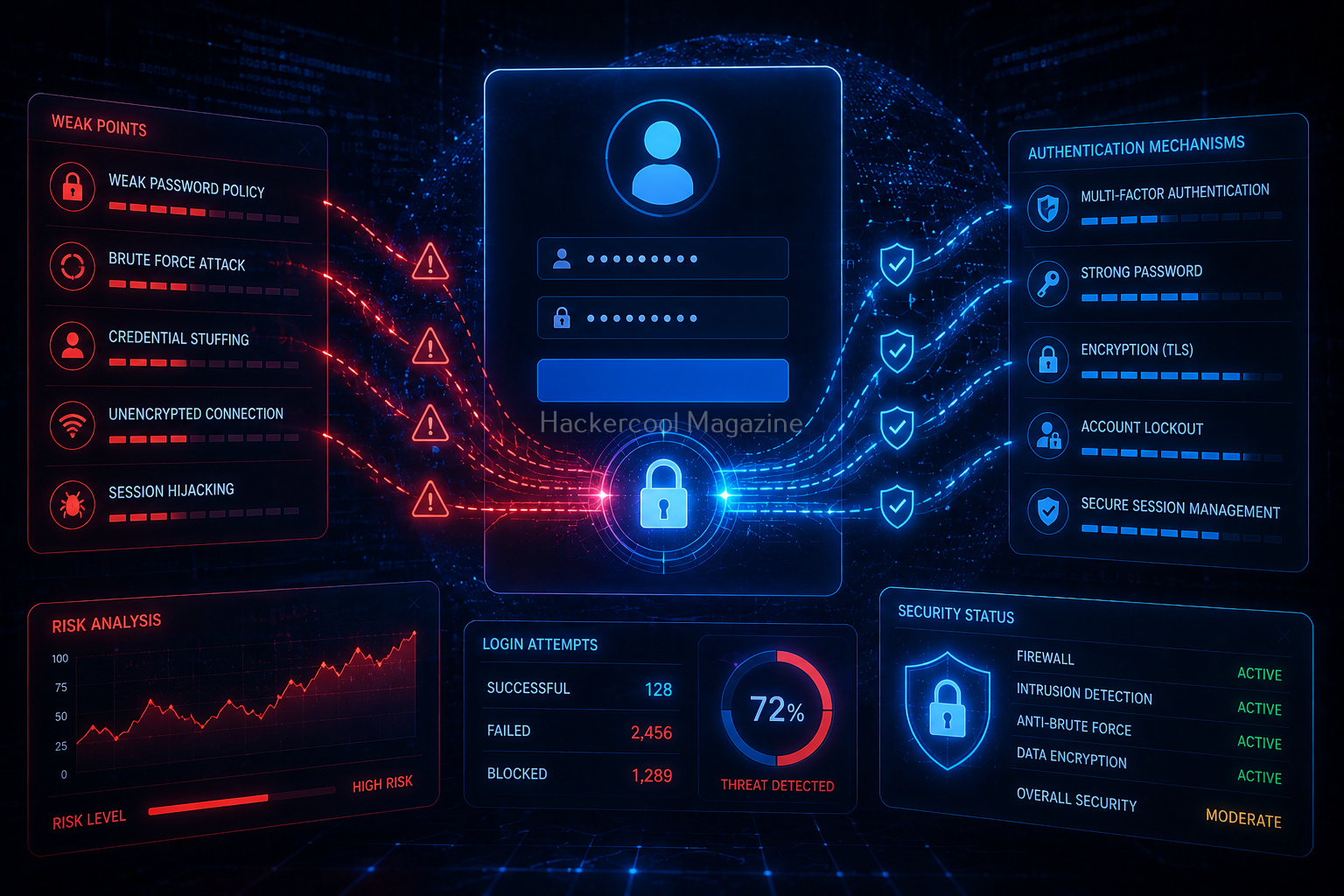
4. Broken Authentication

Authentication weaknesses remain a major source of security incidents.

Weak authentication may include:

  • Weak passwords
  • Poor session management
  • Predictable credentials
  • Missing multi-factor authentication

Potential Impact:

Attackers may gain access to:

  • User accounts
  • Administrative interfaces
  • Sensitive information

Beginner Lesson:

Strong authentication is a critical security layer.

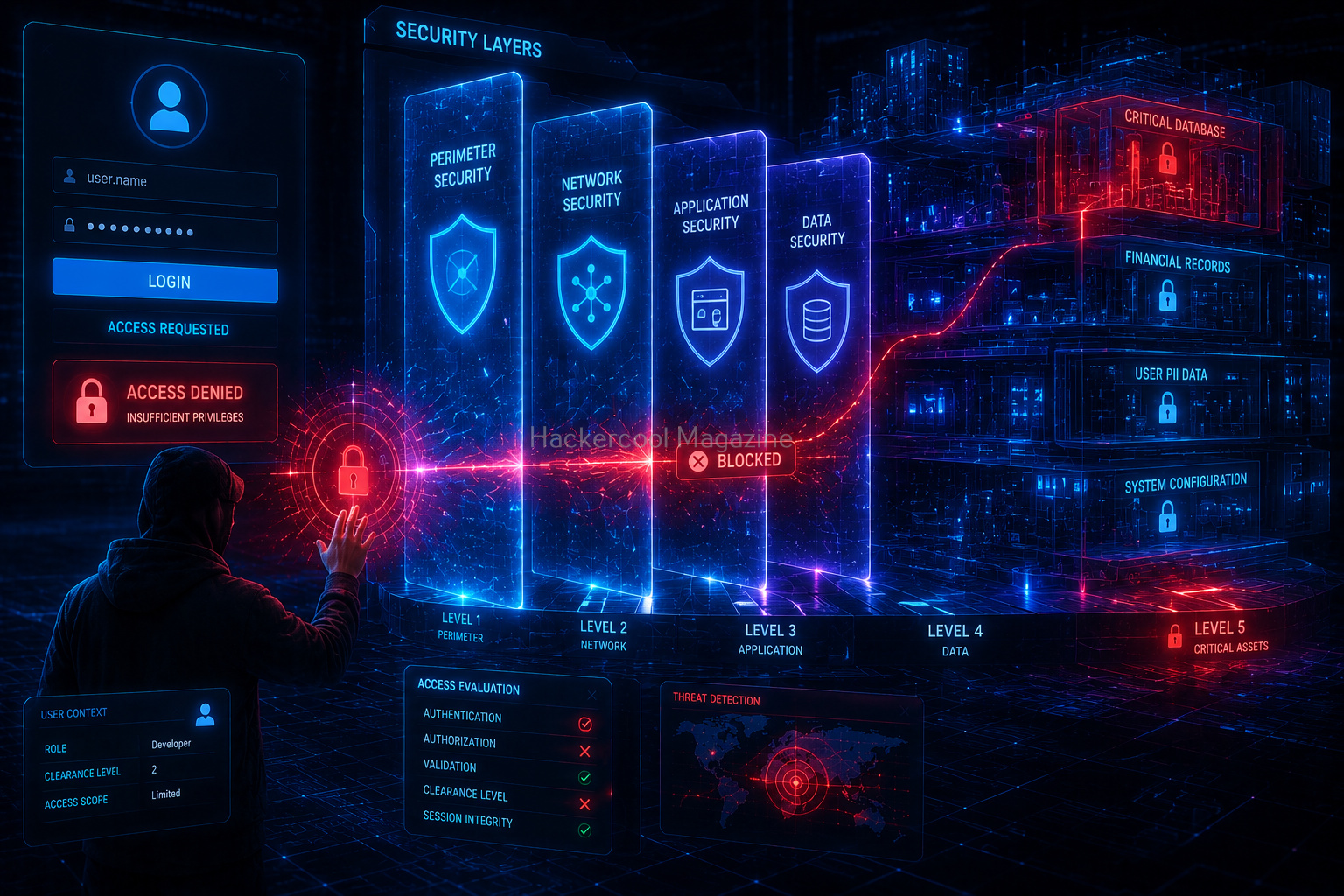
5. Broken Access Control

Access control determines what users are allowed to do. Broken access control occurs when users can perform actions beyond their intended permissions. A regular user may:

  • Access administrative pages
  • View other users’ data
  • Modify restricted resources

Potential Impact:

Unauthorized access to sensitive functions and information.

Beginner Lesson:

Authentication identifies users. Authorization determines what they can access. Both are essential.

6. Security Misconfiguration

Many vulnerabilities result from incorrect system configurations. Common examples include:

  • Default credentials
  • Unnecessary services
  • Exposed administrative interfaces
  • Debug settings left enabled

Potential Impact:

Misconfigurations often create easy entry points for attackers.

Beginner Lesson:

Secure systems require proper configuration, not just secure code.

7. Sensitive Data Exposure

Applications often handle valuable information. If protection mechanisms are weak, sensitive data may be exposed.

Examples:

  • Personal information
  • Financial records
  • Login credentials
  • Internal business data

Potential Impact:

Privacy violations and data breaches.

Beginner Lesson:

Data protection is a core security responsibility.

8. Insecure File Uploads

Many websites allow users to upload files. Improper validation can create security risks.

Examples:

Users may upload:

  • Images
  • Documents
  • Profile pictures

Without proper controls, uploads can become dangerous.

Potential Impact:

File upload weaknesses may allow attackers to:

  • Store unwanted files
  • Bypass restrictions
  • Abuse application functionality

Beginner Lesson:

Never assume uploaded files are safe. Learn in detail about File upload vulnerability.

9. Directory Traversal

Directory traversal vulnerabilities occur when applications improperly handle file paths.

How It Works:

Applications may allow access to files outside intended directories.

Potential Impact:

Exposure of:

  • Configuration files
  • Sensitive information
  • Internal resources

Beginner Lesson:

Applications should carefully validate file access requests. Learn in detail about Directory traversal vulnerability.

10. Clickjacking

Clickjacking tricks users into clicking something different from what they believe they are clicking.

How It Works:

Attackers hide legitimate pages beneath deceptive content. Users unknowingly interact with the hidden page.

Potential Impact:

Unintended actions may occur without user awareness.

Beginner Lesson:

User interface security matters too.

Why These Vulnerabilities Keep Appearing

Most of these vulnerabilities have been since long time. However, they continue to appear even nowbecause of

Lack of Security Awareness:

Developers may not fully understand security risks.

Time Pressure:

Security is sometimes sacrificed for faster deployment.

Complex Applications:

Modern web applications can be extremely complicated.

Insufficient Testing:

Security testing may be overlooked.

Understanding Risk Severity

Not all vulnerabilities are equally dangerous. Security professionals typically evaluate these vulnerabilities into three categories. They are,

Likelihood:

How easy is its exploitation?

Impact:

What damage could occur if the web vulnerability is exploited?

Exposure:

How many systems are affected?

Understanding risk helps prioritize remediation.

How Organizations Protect Against Web Vulnerabilities?

Organizations use multiple defensive measures.

Secure Coding Practices:

Developers follow security-focused design principles.

Input Validation:

Applications verify incoming data.

Security Testing:

Regular assessments help identify weaknesses.

Security Updates:

Keeping software updated reduces risk.

Principle of Least Privilege:

Users receive only the access they need.

Monitoring and Logging:

Suspicious activity can be detected more quickly.

Common Beginner Mistakes

Avoid these misconceptions.

Focusing Only on Tools:

Understanding vulnerabilities matters more than tools.

Memorizing Without Understanding:

Learn why vulnerabilities occur.

Ignoring Defensive Concepts:

Security is about protection, not just attacks.

Trying to Learn Everything at Once:

Focus on one vulnerability at a time.

How to Learn Web Security Safely

Practice in legal environments only. Good options include:

  • Security training labs
  • Educational platforms
  • Vulnerable practice applications
  • Home lab environments

Always stay within authorized boundaries.

A Simple Learning Path for Beginners

Here’s a simple weekly learning plan for beginners to master these web vulnerabilities. Start with:

Week 1:

Learn how websites work.

Week 2:

Understand databases and authentication.

Week 3:

Study SQL Injection and XSS concepts.

Week 4:

Learn access control and authentication weaknesses.

Week 5:

Explore security misconfigurations.

Week 6:

Review and practice concepts.

This gradual approach builds a strong foundation.

Conclusion

Web vulnerabilities are at the heart of many cybersecurity incidents. For beginners, learning these vulnerabilities is not about becoming an attacker. It’s about understanding how systems fail so they can be protected.

Remember:

✔ Web vulnerabilities are common security weaknesses
✔ Understanding them improves both offensive and defensive skills
✔ Security starts with strong fundamentals
✔ Practice should always occur in legal environments
✔ Concepts matter more than tools

Understanding these common web vulnerabilities is one of the most important steps in becoming a skilled ethical hacker or cybersecurity professional. The stronger your understanding of these concepts, the better prepared you’ll be to identify, assess, and help prevent real-world security issues.