

Starting a cybersecurity journey is exciting. You discover ethical hacking, penetration testing, digital forensics, threat hunting, malware analysis and dozens of other fascinating areas. Suddenly, a whole new world of technology opens up.
Unfortunately, many beginners make mistakes that slow their progress, create unnecessary frustration or even push them away from cybersecurity altogether.
The good news?
Most of these mistakes are completely avoidable. In this article, we’ll explore five common things beginners should not do when starting cybersecurity and discuss what successful learners do instead. If you’re just beginning your journey, avoiding these mistakes can save you months of confusion and help you build a much stronger foundation.
New to Ethical Hacking?
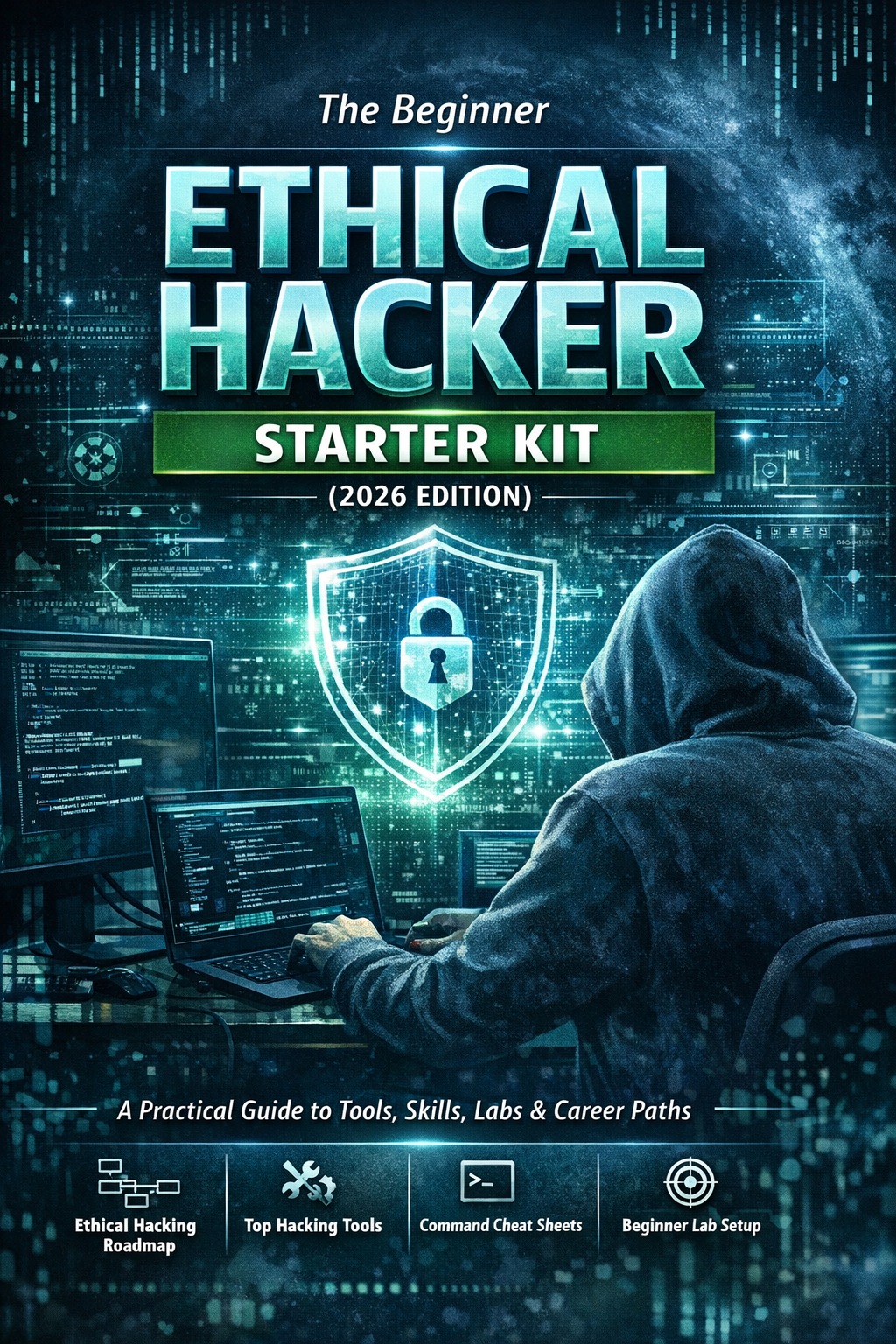
Start your journey with The Beginner Ethical Hacker Starter Kit (2026 Edition).
Inside the free guide, you’ll learn:.
- Ethical hacking fundamentals
- Beginner cybersecurity roadmap
- Essential hacking tools
- Common vulnerabilities explained

Why So Many Beginners Struggle
Cybersecurity is different from many other fields. You’re not learning a single skill. You’re learning how multiple technologies work together. Cybersecurity involves:
- Networking
- Operating systems
- Web technologies
- Security concepts
- Problem solving
- Investigation
- Continuous learning
Because there are so many moving parts, beginners often feel overwhelmed. Many people mistakenly believe they’re failing when they’re actually experiencing a normal learning process. Understanding what not to do can make that process much smoother.

Mistake 1: Don’t Skip the Fundamentals
One of the biggest mistakes beginners make is trying to jump straight into hacking tools and advanced techniques.
They want to learn:
- Penetration testing
- Vulnerability assessment
- Red teaming
- Exploitation techniques
before they understand basic networking or operating systems.
Why This Is a Problem:
Imagine trying to become a car mechanic without understanding how an engine works. That’s essentially what happens when you skip cybersecurity fundamentals. Without foundational knowledge, you’ll struggle to understand:
- Network traffic
- Scan results
- Security alerts
- Web vulnerabilities
- System behavior
Everything becomes harder.
What You Should Do Instead:

Start with
Networking Basics:
Learn:
- IP addresses
- DNS
- TCP/IP
- Ports
- Routing
Operating Systems:
Focus on:
- Linux basics
- Windows fundamentals
- Filesystems
- Permissions
Web Technologies:
Understand:
- HTTP
- HTTPS
- HTML
- Cookies
- Sessions
These topics provide the foundation for nearly everything you’ll learn later.

Mistake 2: Don’t Focus Only on Tools
Many beginners become obsessed with tools. They install:
- Kali Linux
- Security scanners
- Reconnaissance tools
- Analysis tools
and spend weeks memorizing commands.
Why This Is a Mistake:
Tools are constantly changing. New tools appear. Old tools disappear. Interfaces get updated. But the concepts behind them remain the same.
A skilled cybersecurity professional understands:
- Why a tool exists
- What problem it solves
- What information it provides
The tool itself is secondary.

What You Should Do Instead:
When learning a tool, ask:
- What is it doing?
- Why is it doing it?
- How does the technology work?
Understanding concepts will make you adaptable throughout your career.

Mistake 3: Don’t Try to Learn Everything at Once
Cybersecurity is enormous. There are dozens of specializations.
Some of its specifications include:
- Ethical hacking
- Network security
- Cloud security
- Malware analysis
- Digital forensics
- Threat hunting
- Security engineering
- Application security
Many beginners attempt to learn all of them simultaneously.
Why This Fails:
Trying to learn everything creates:
- Information overload
- Confusion
- Frustration
- Burnout
Instead of making progress, you become overwhelmed.
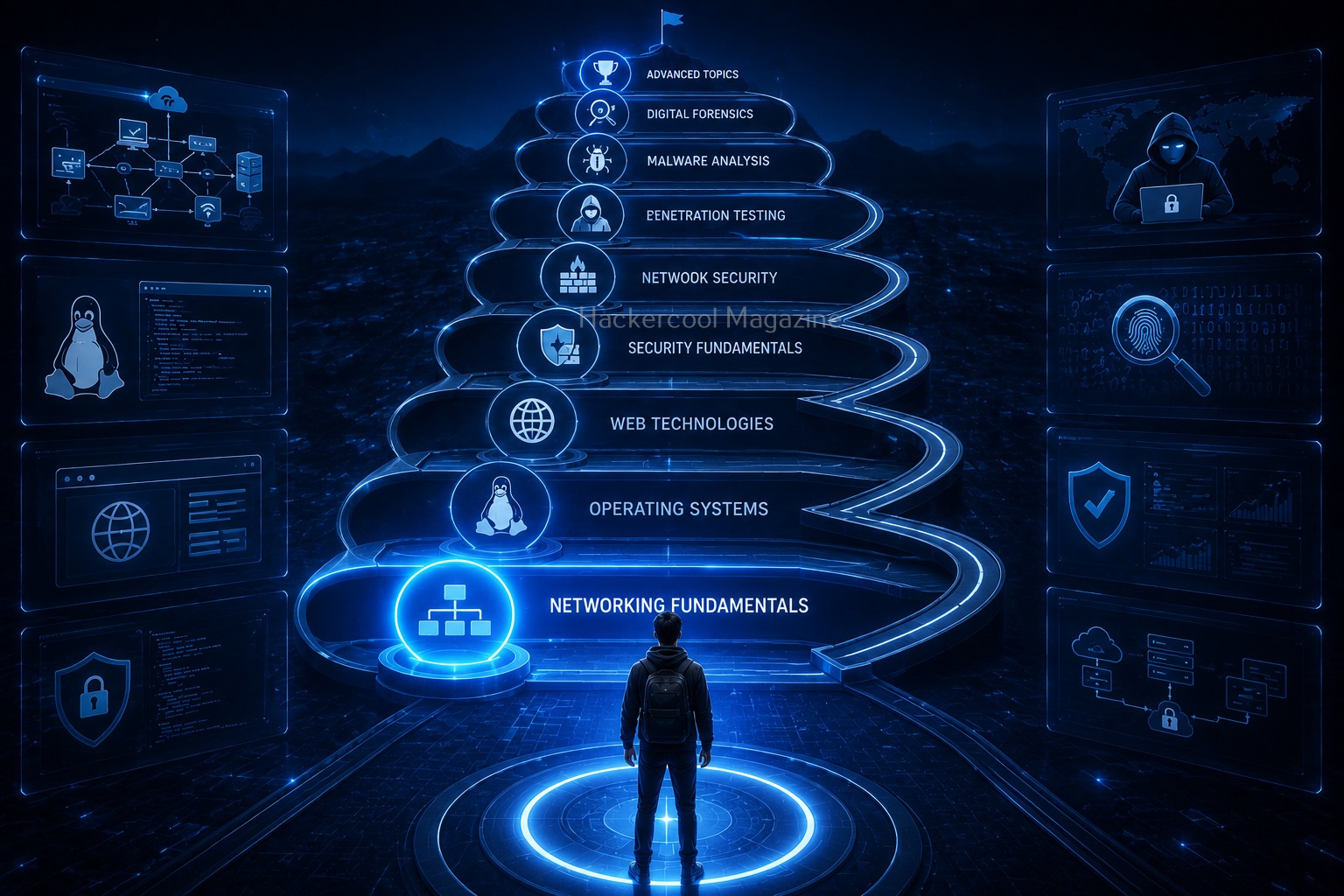
What You Should Do Instead:
Choose a learning path. For example:
Month 1:
Networking
Month 2:
Linux
Month 3:
Web fundamentals
Month 4:
Security basics
Month 5:
Hands-on labs
Gradual progress is much more effective than trying to absorb everything at once.
Want to Learn Ethical Hacking Step-by-Step?
If you’re serious about learning cybersecurity, a structured roadmap makes the journey much easier.
Download The Beginner Ethical Hacker Starter Kit (2026 Edition) and discover:
✔ The ethical hacking learning path
✔ Beginner-friendly security concepts
✔ Essential tools ethical hackers use
✔ The most common vulnerabilities explained

Mistake 4:Don’t Practice on Unauthorized Systems
This is one of the most important lessons for beginners. Curiosity is good. Unauthorized testing is not. Some beginners become excited about cybersecurity and start experimenting on systems they do not own. This is a serious mistake.
Why It Matters:
Ethical hacking is built on permission. Without authorization, activities can become illegal and unethical. Professional cybersecurity practitioners follow strict rules regarding authorization.

What You Should Do Instead:
Practice in safe environments such as:
Home Labs:
Systems you own and control.
Virtual Machines:
Perfect for learning and experimentation.
Educational Platforms:
Training environments specifically designed for cybersecurity learning.
Practice Networks:
Authorized environments created for education.
Remember:
The word “ethical” in ethical hacking is extremely important.

Mistake 5: Don’t Give Up Too Soon
This may be the most common mistake of all. Many people quit cybersecurity before they ever give themselves a real chance to succeed.
Why Beginners Quit:
Cybersecurity can feel overwhelming. You’ll encounter:
- Technical terminology
- Complex concepts
- New technologies
- Challenging problems
At times, it may seem like everyone else understands things faster than you do.

The Truth:
Every cybersecurity professional has felt confused. Every expert was once a beginner. Nobody starts with advanced knowledge. Skills develop gradually through:
- Practice
- Curiosity
- Repetition
- Experience
What You Should Do Instead:
Focus on progress. Ask yourself:
“Do I understand more today than I did last month?”
That’s the metric that matters. Not perfection. Not speed. Progress.

What Successful Cybersecurity Learners Do Differently
Now that we’ve covered common mistakes, let’s look at what successful learners do.
They Build Strong Foundations:
They invest time learning:
- Networking
- Linux
- Web technologies
- Security concepts
Before moving into advanced topics.
They Practice Regularly:
Learning becomes hands-on. They build labs. They experiment. They investigate.
They Stay Curious:
Successful learners constantly ask:
- Why does this happen?
- How does this work?
- What can I learn from this?
Curiosity drives growth.

They Document Everything:
Notes become an invaluable resource. They record:
- Commands
- Findings
- Observations
- Lessons learned
Documentation accelerates learning.
They Remain Patient:
Cybersecurity is a marathon, not a sprint. The best learners understand this.

A Simple Beginner Roadmap
If you’re unsure where to start, here’s a practical roadmap.
Step 1: Learn Networking
Understand:
- IP addresses
- DNS
- Ports
- Protocols
Step 2: Learn Linux
Focus on:
- Command line basics
- Files
- Permissions
Step 3: Learn Web Fundamentals
Study:
- HTTP
- Cookies
- Sessions
- Client-server communication
Step 4: Learn Security Concepts
Understand:
- Authentication
- Authorization
- Encryption
- Common threats
Step 5: Practice Safely
Apply what you’ve learned in authorized environments.

Conclusion
Cybersecurity is one of the most rewarding fields in technology. But success rarely comes from shortcuts. Most beginners who struggle make the same mistakes:
- Skipping fundamentals
- Focusing only on tools
- Trying to learn everything
- Practicing unsafely
- Giving up too early
The good news is that all of these mistakes are avoidable.
Remember:
✔ Learn the fundamentals first
✔ Focus on concepts before tools
✔ Take your time
✔ Practice ethically
✔ Stay consistent
✔ Be patient with yourself
Cybersecurity is not about becoming an expert overnight. It’s about making steady progress, one skill at a time. If you keep learning and keep practicing, you’ll be surprised how far you can go.
The beginners who succeed aren’t necessarily the smartest. They’re usually the ones who stay curious, stay patient and keep learning. This topic works especially well for your beginner audience because it addresses common frustrations and naturally encourages readers to continue their cybersecurity journey.
Start Your Ethical Hacking Journey Today
Learning cybersecurity can feel overwhelming at first. The best way to start is with a clear roadmap and the right resources.
Download The Beginner Ethical Hacker Starter Kit (2026 Edition) and get instant access to:
Ethical Hacking Fundamentals
A beginner cybersecurity learning roadmap
Essential hacking tools every beginner should know
Common vulnerabilities explained simply


That’s a really helpful list! I completely agree about not jumping into trying to learn everything at once – it’s easy to get overwhelmed.